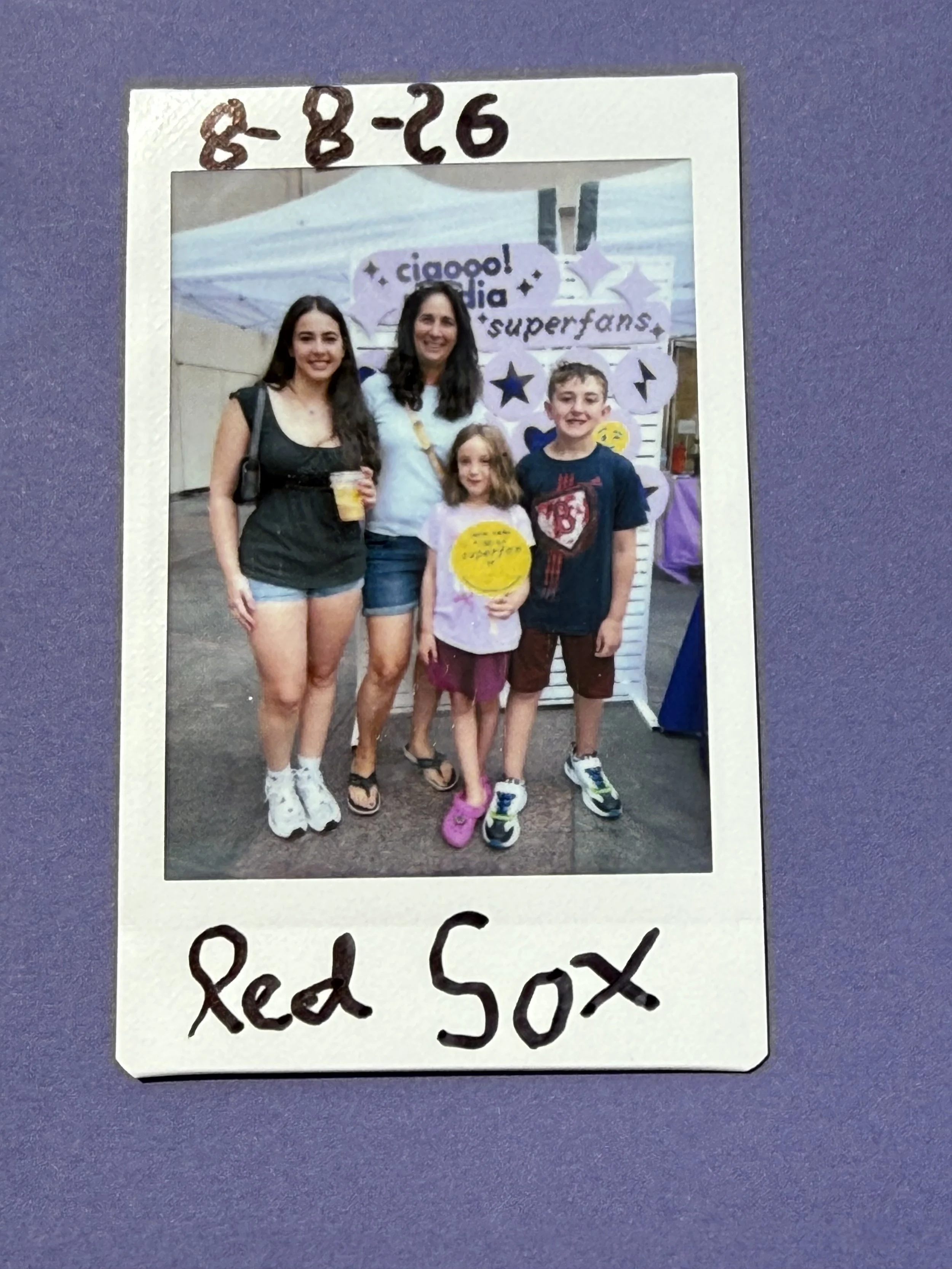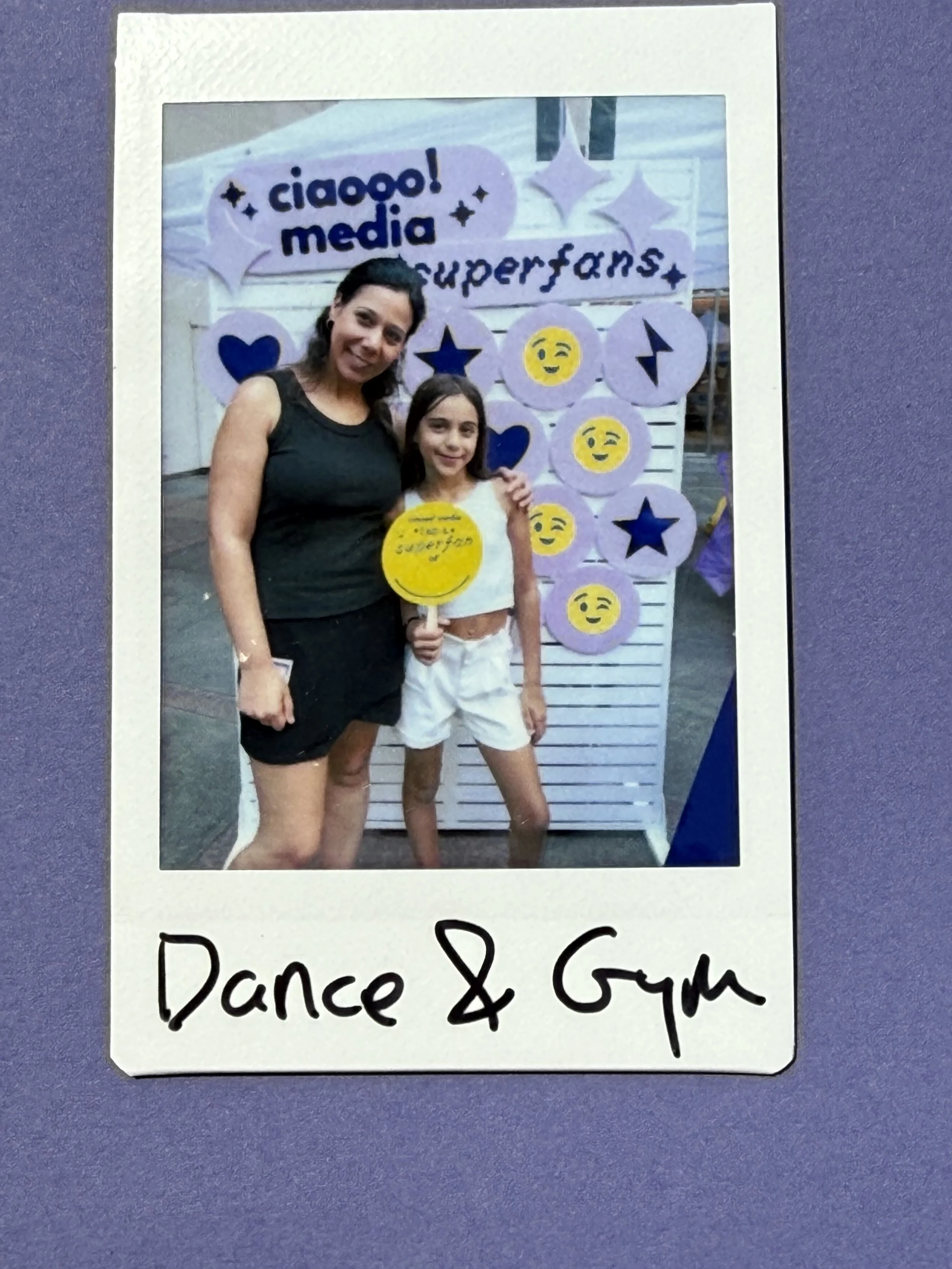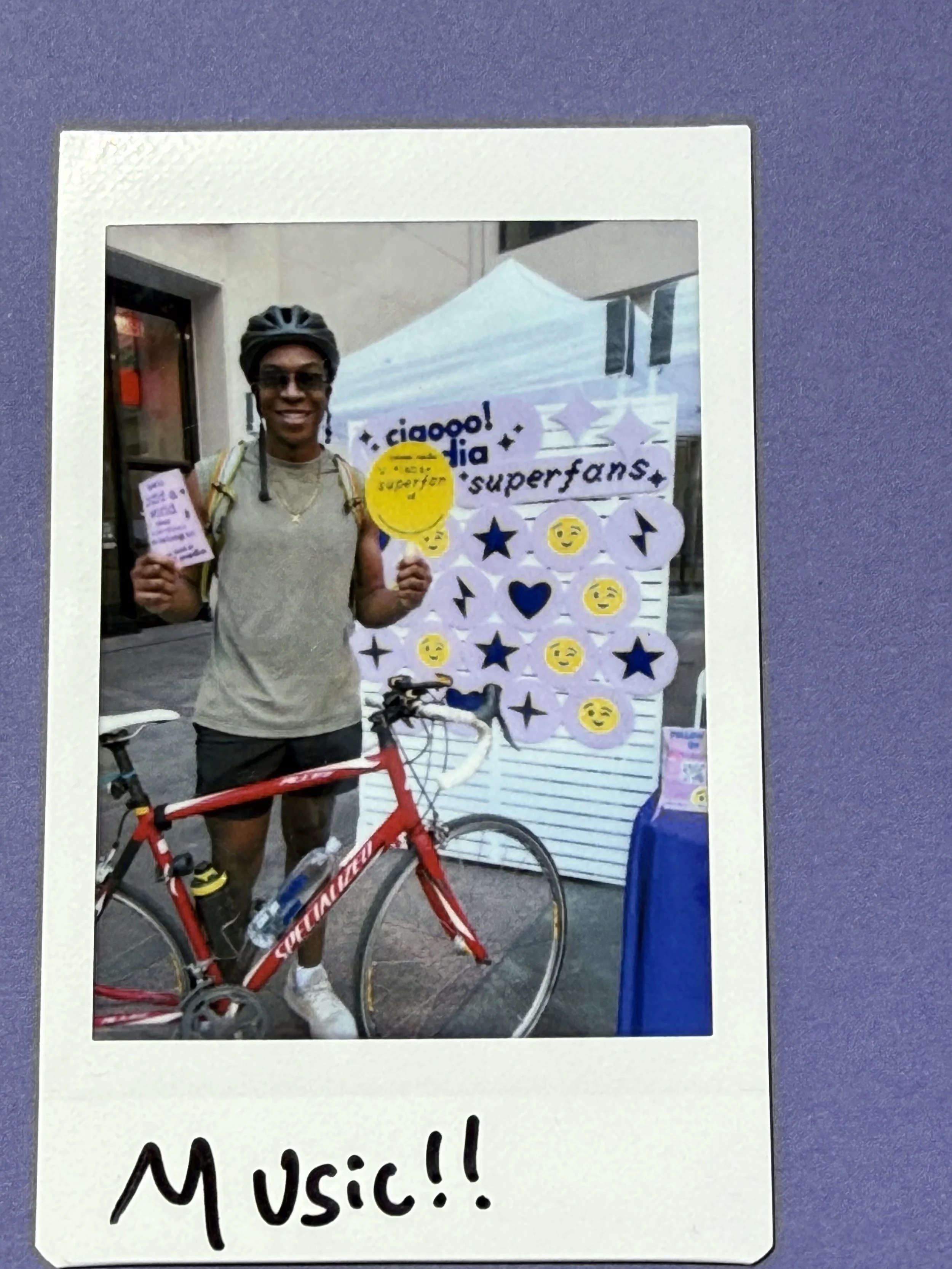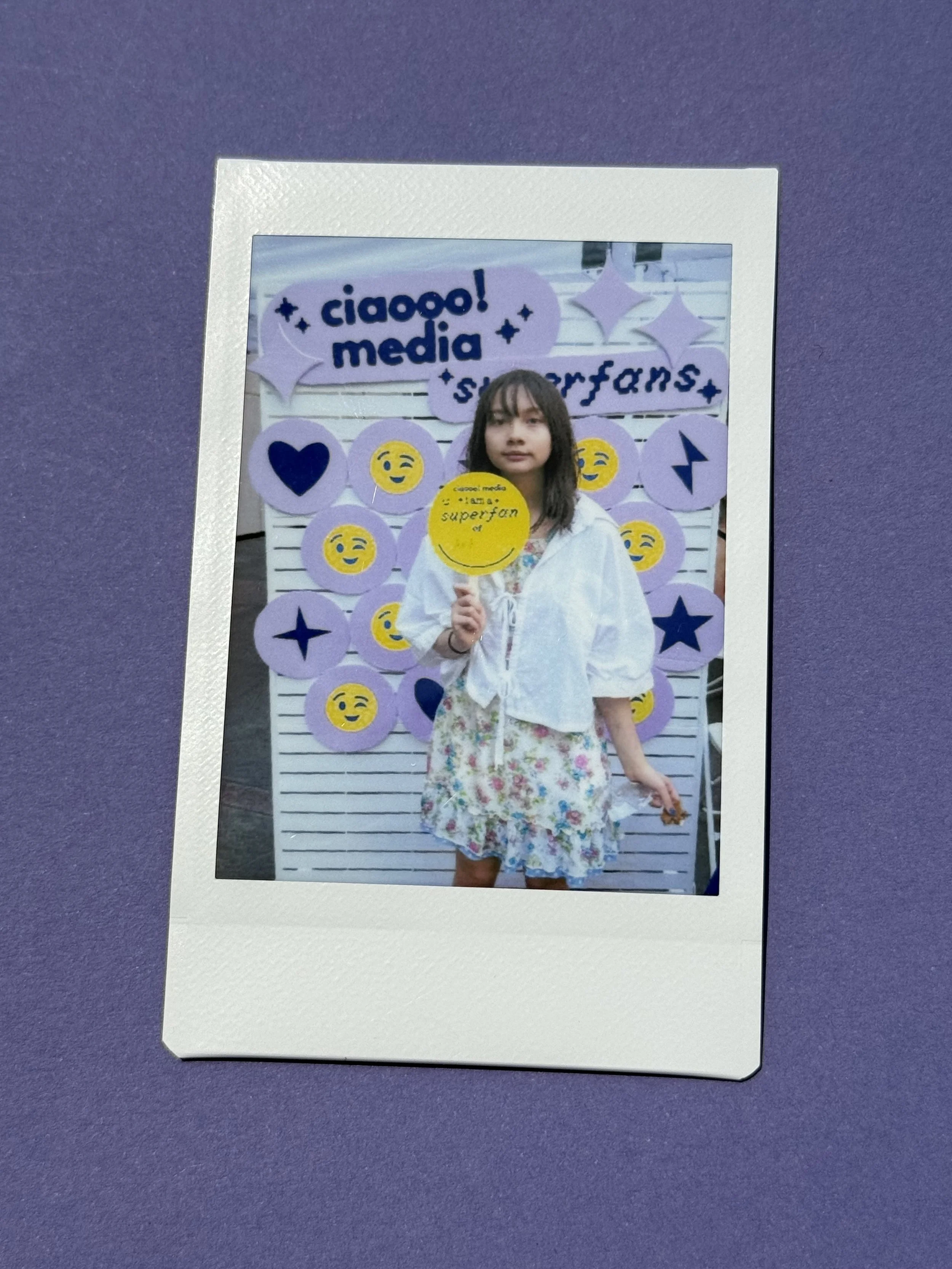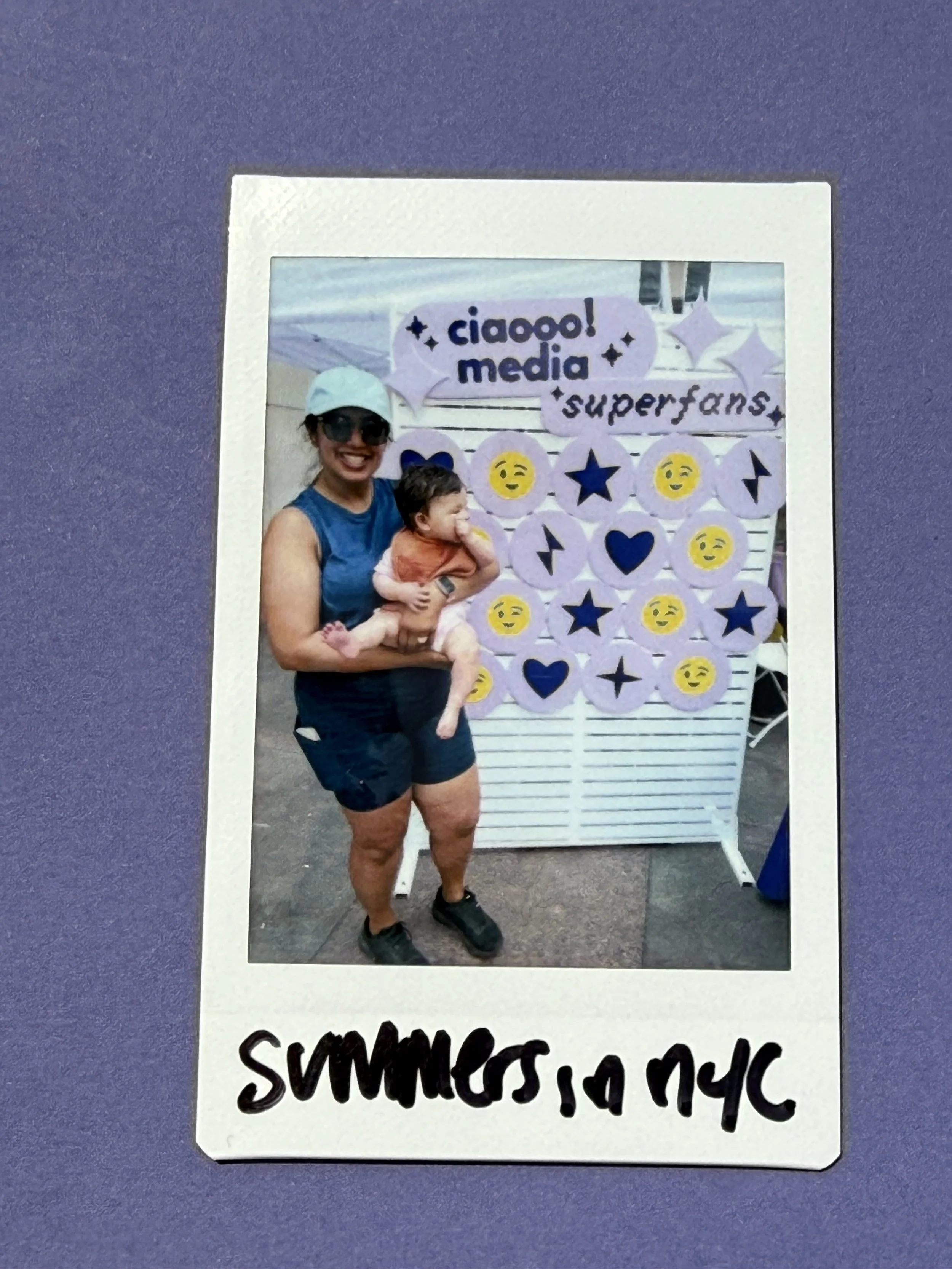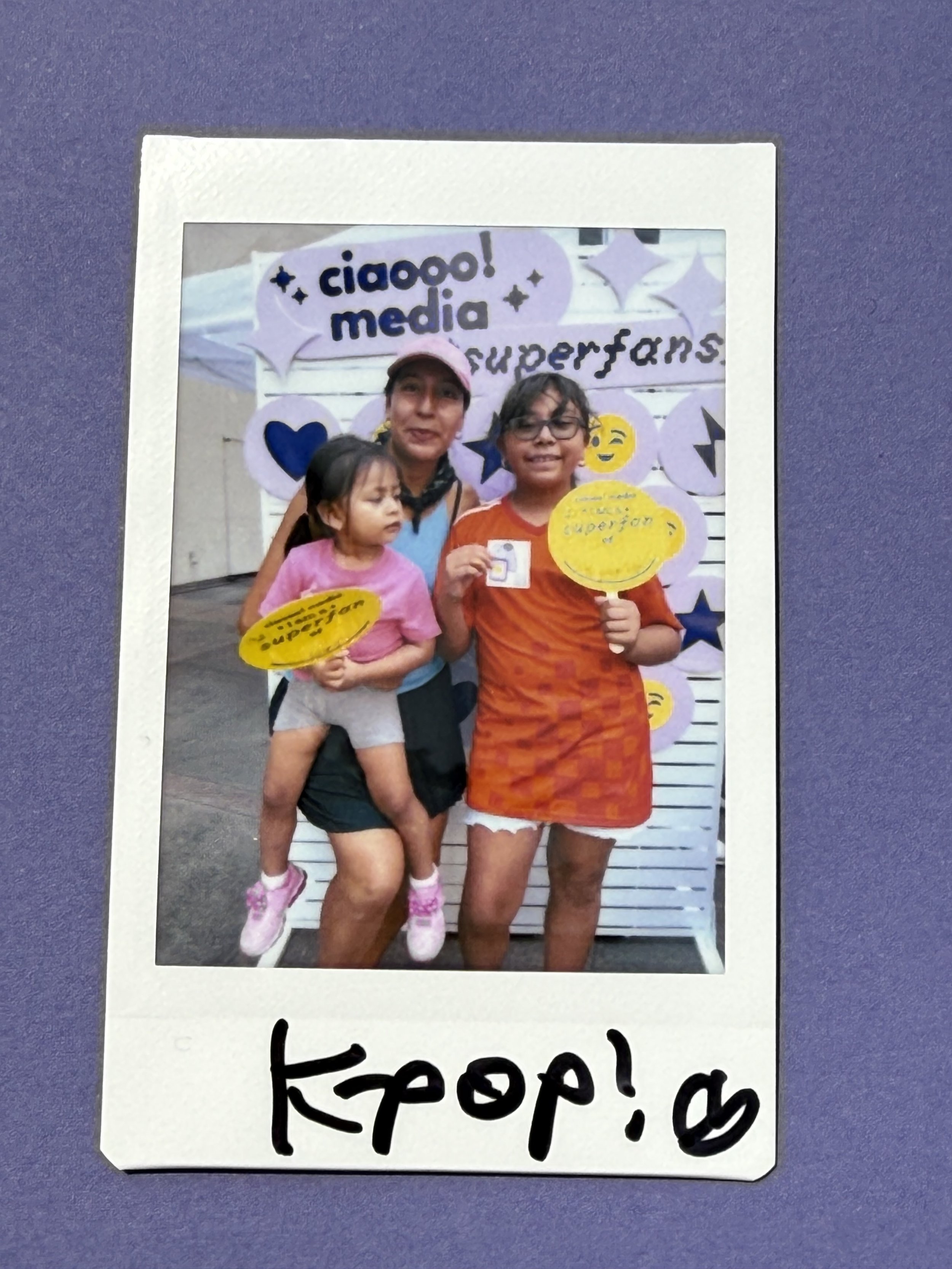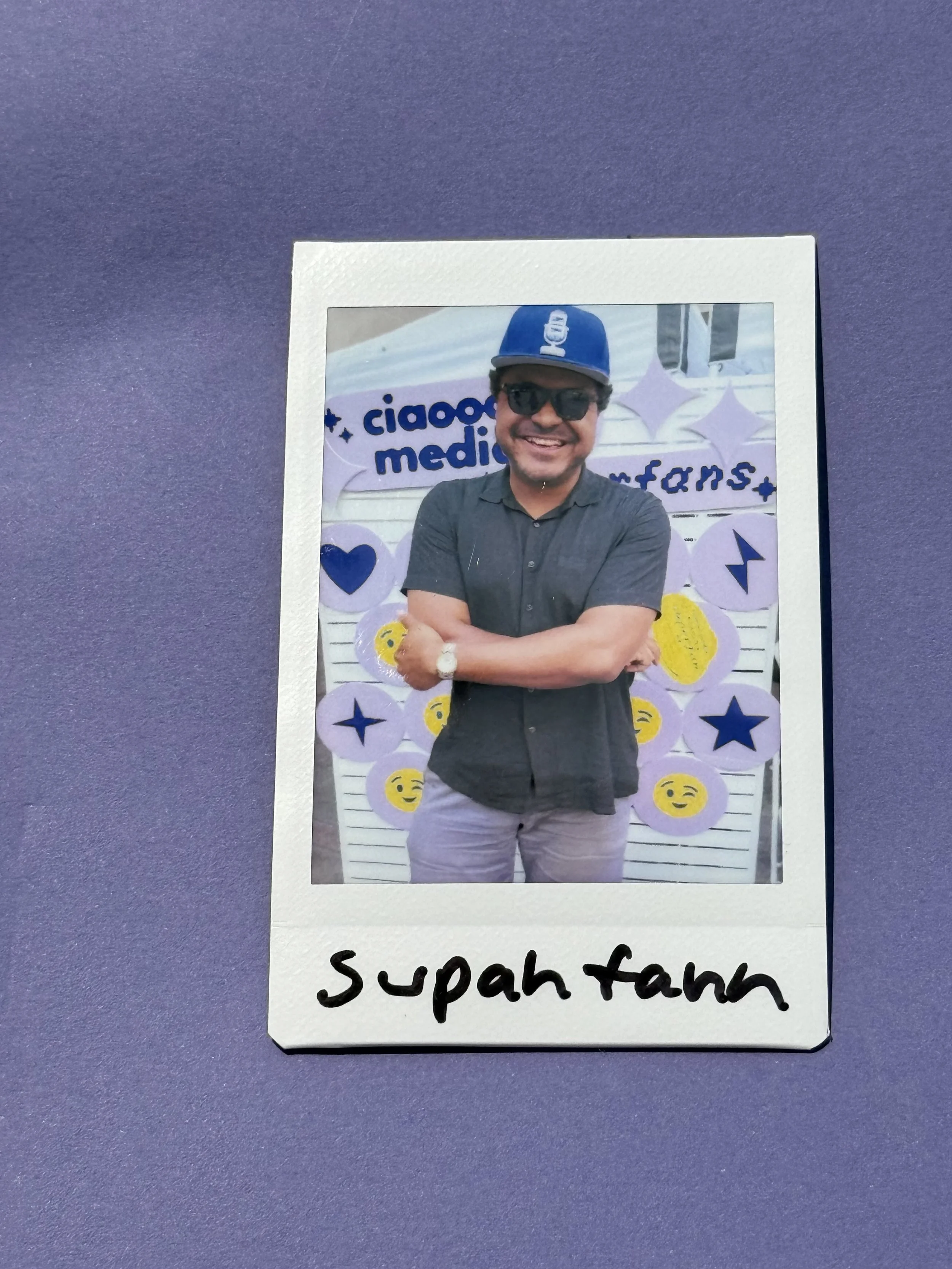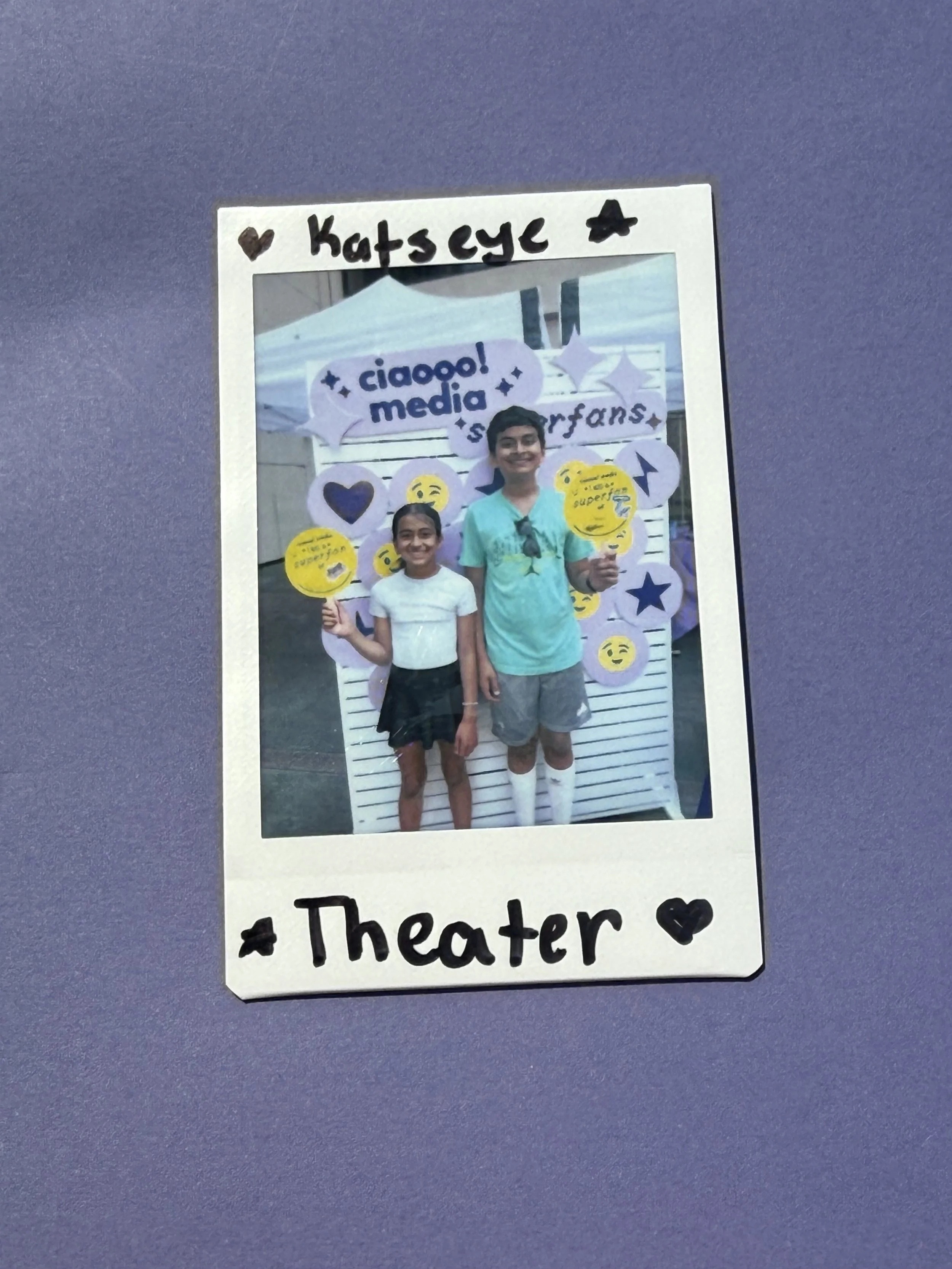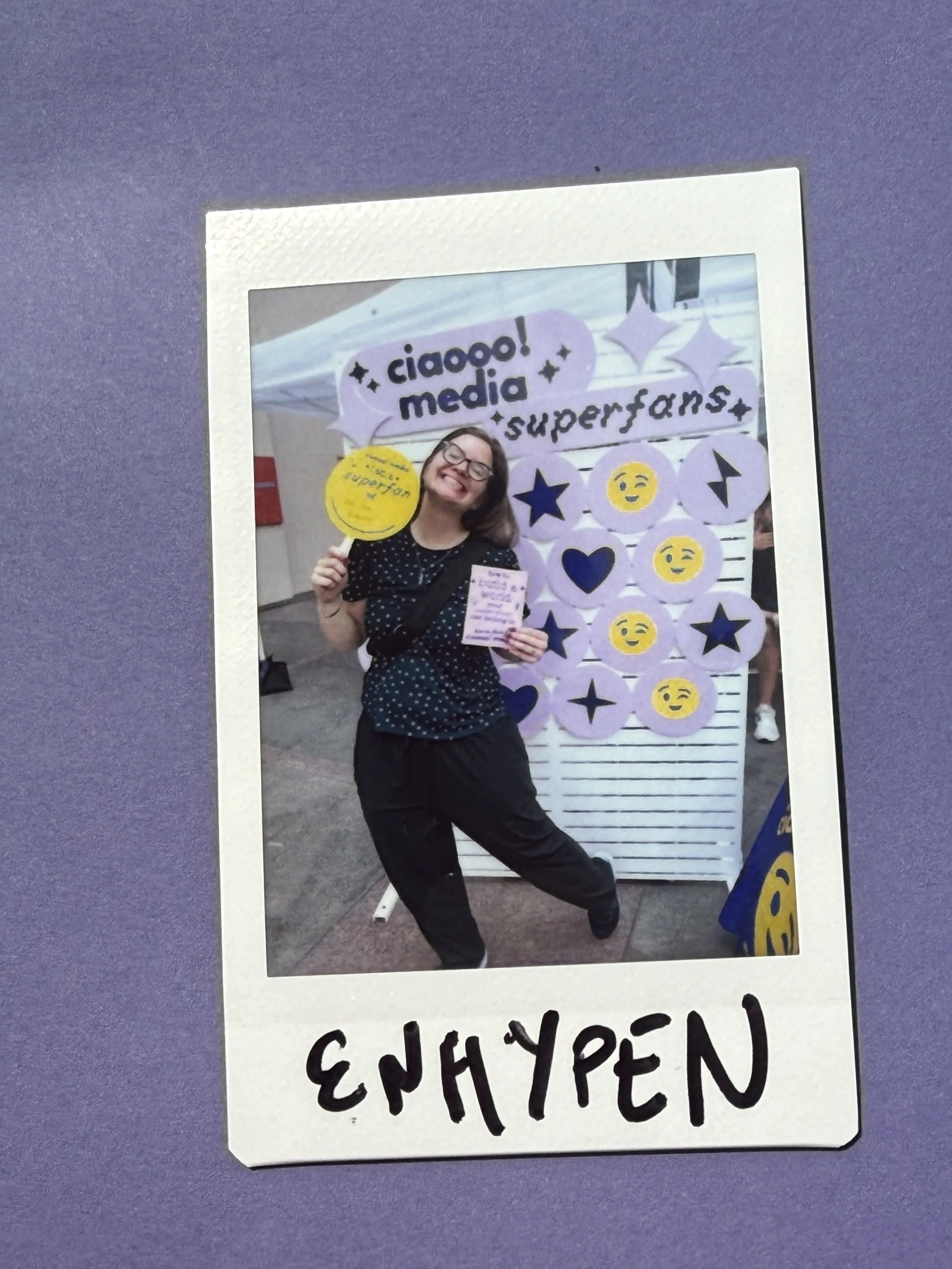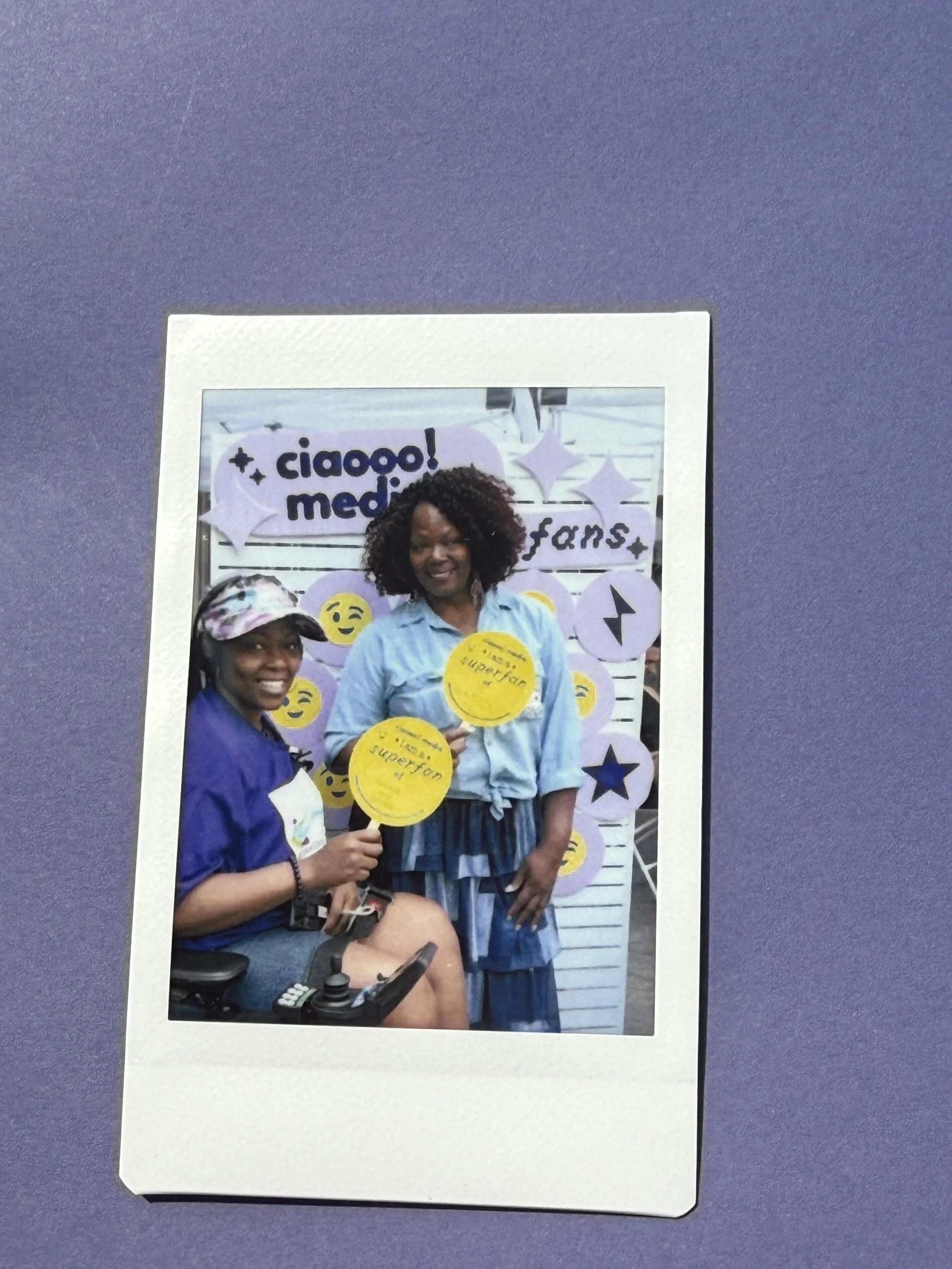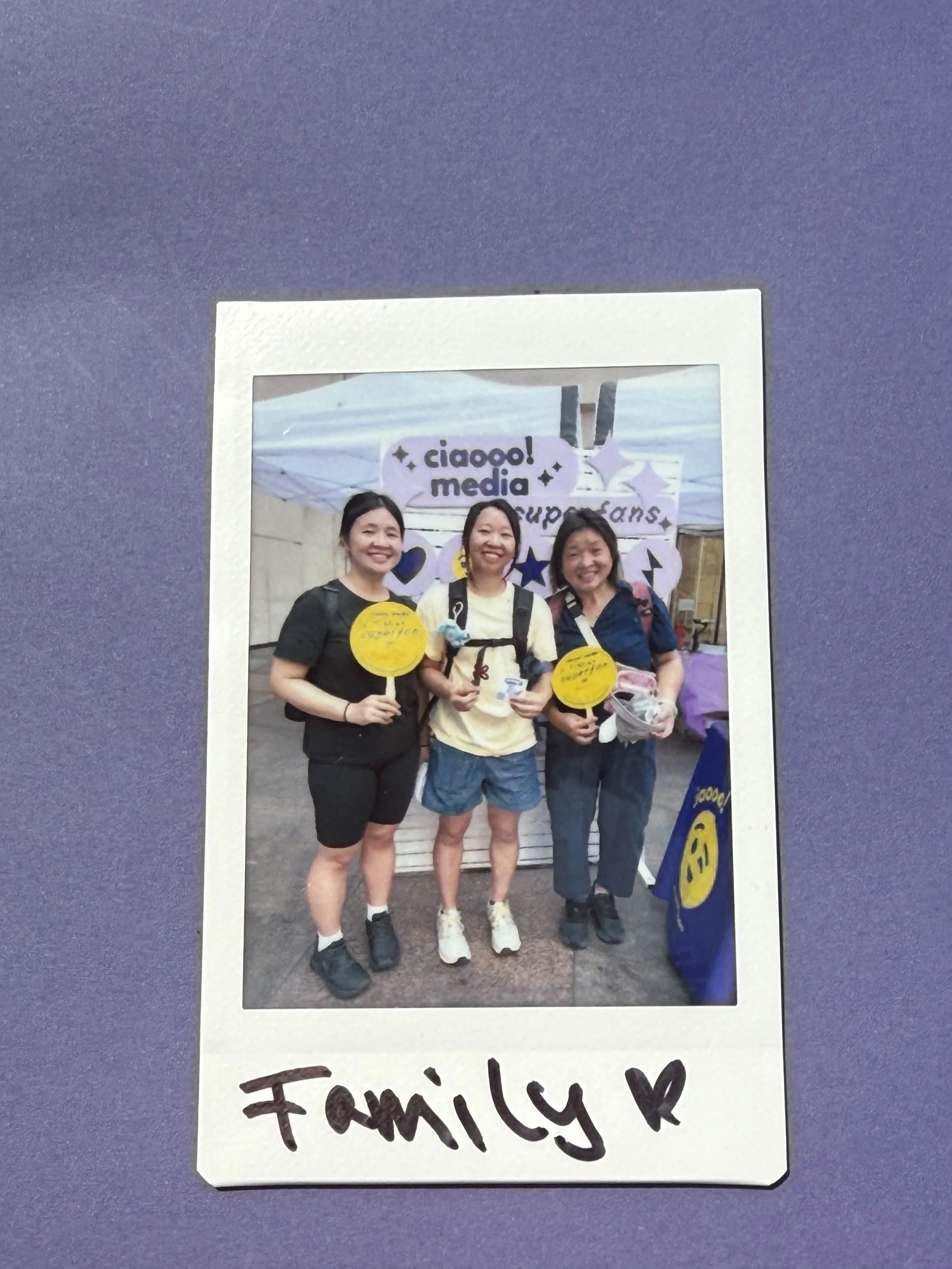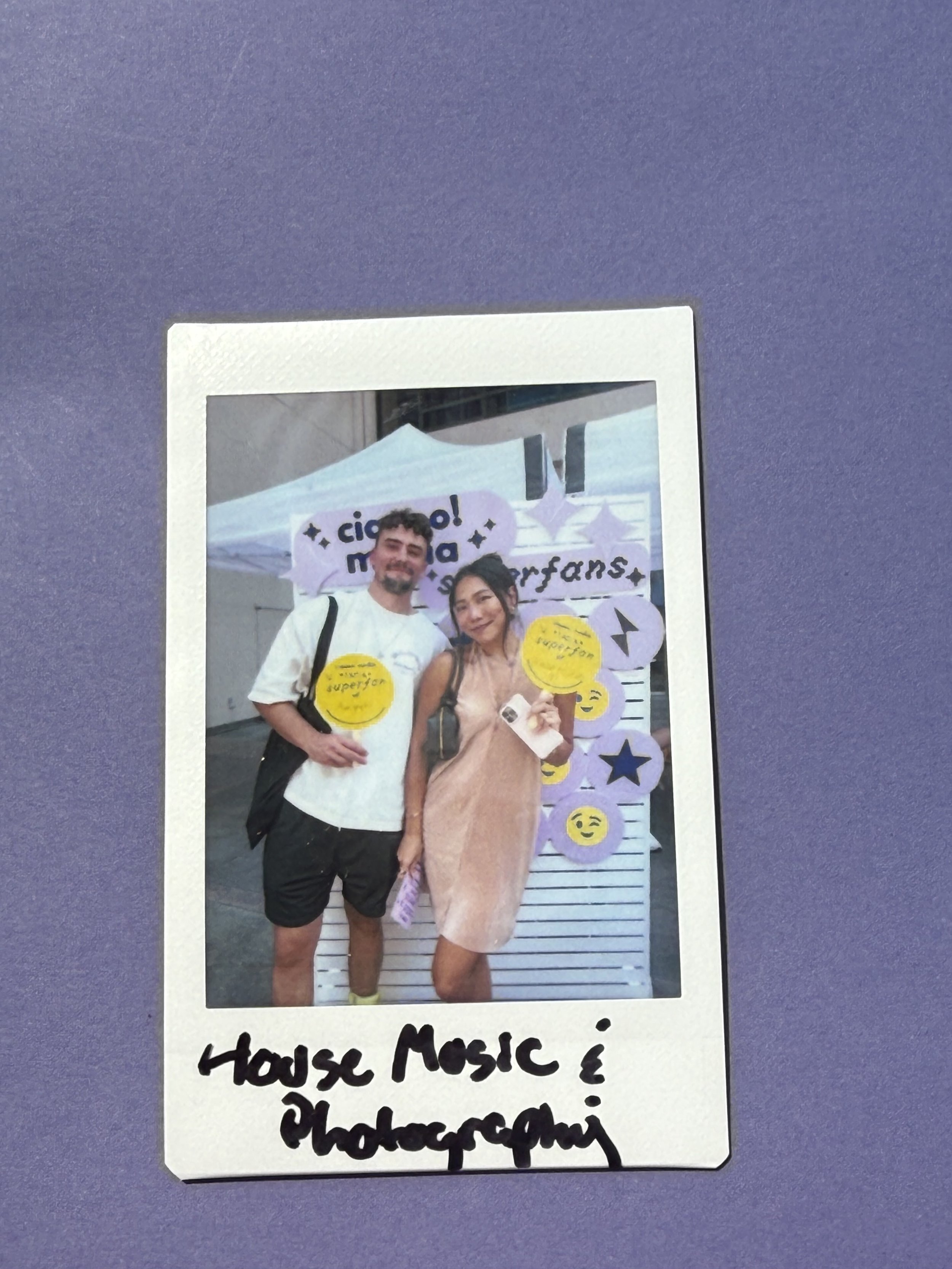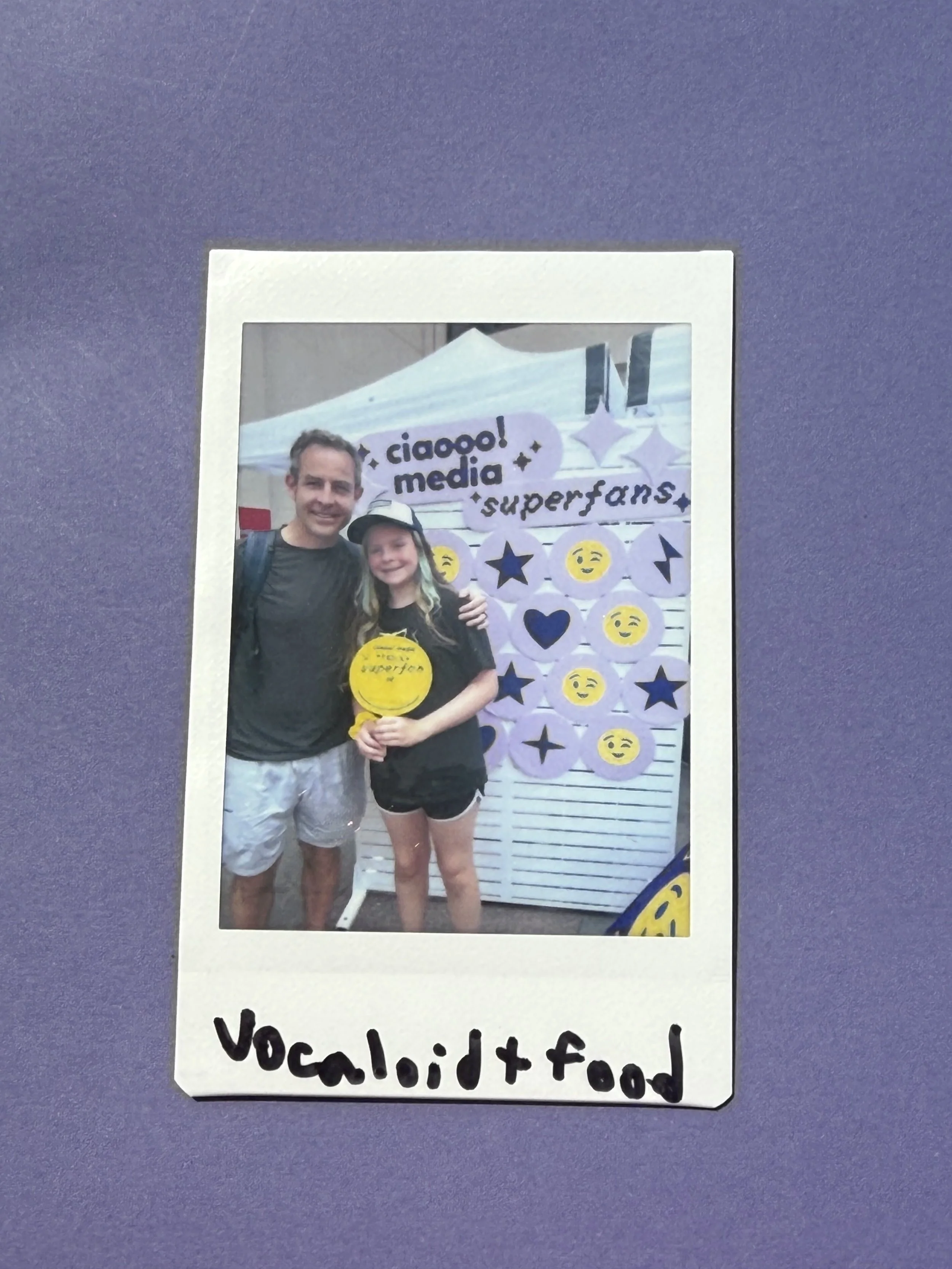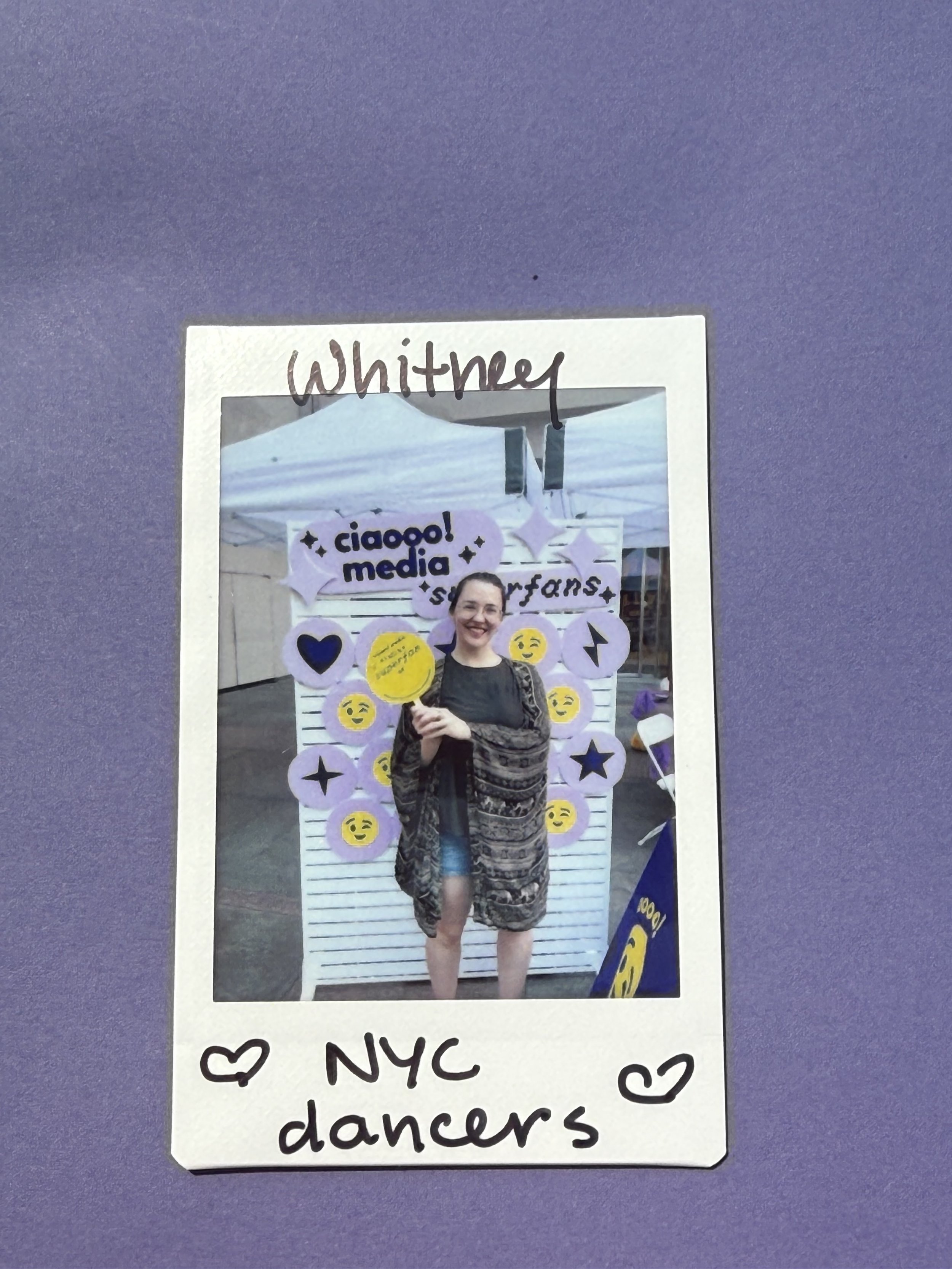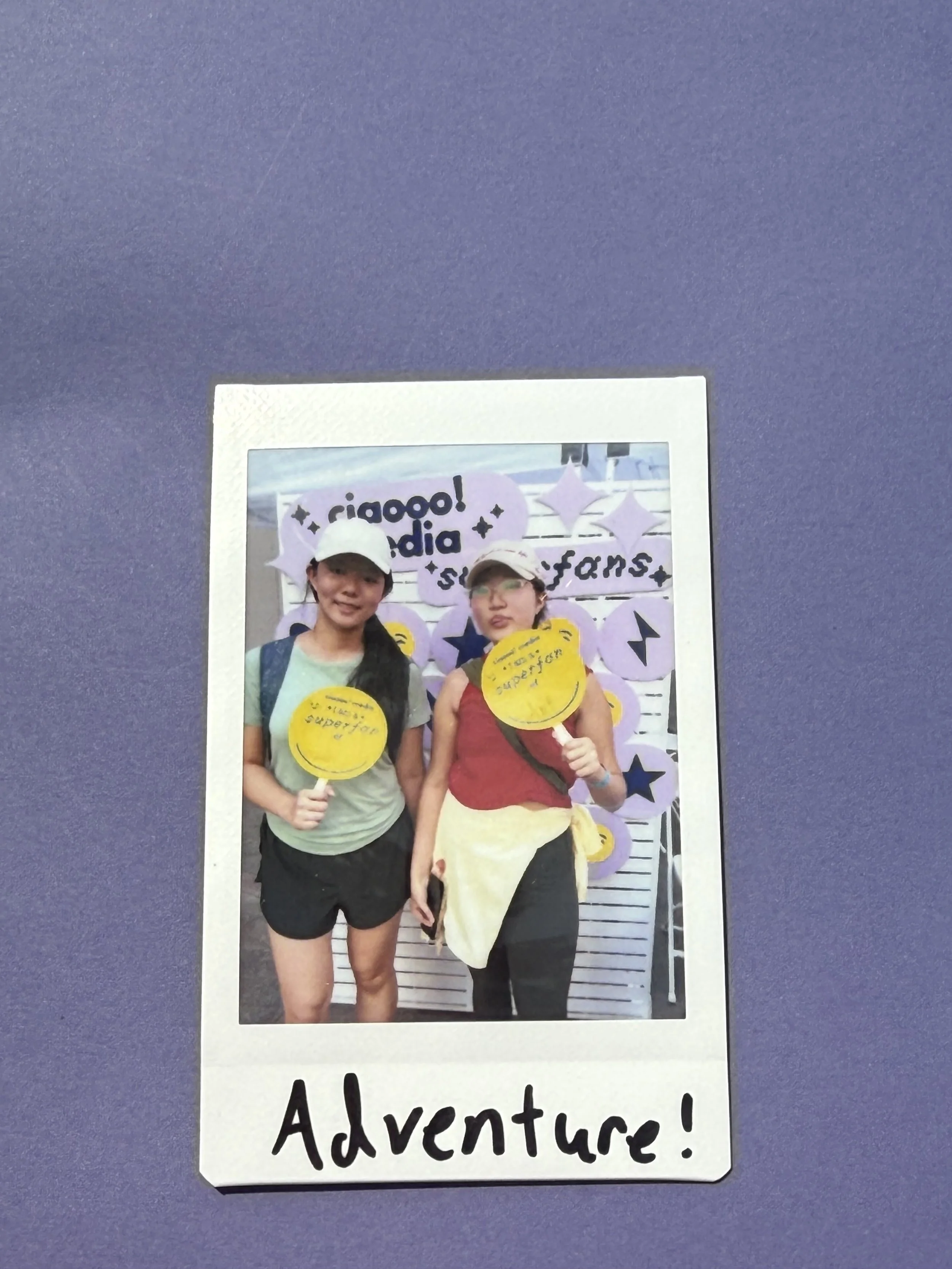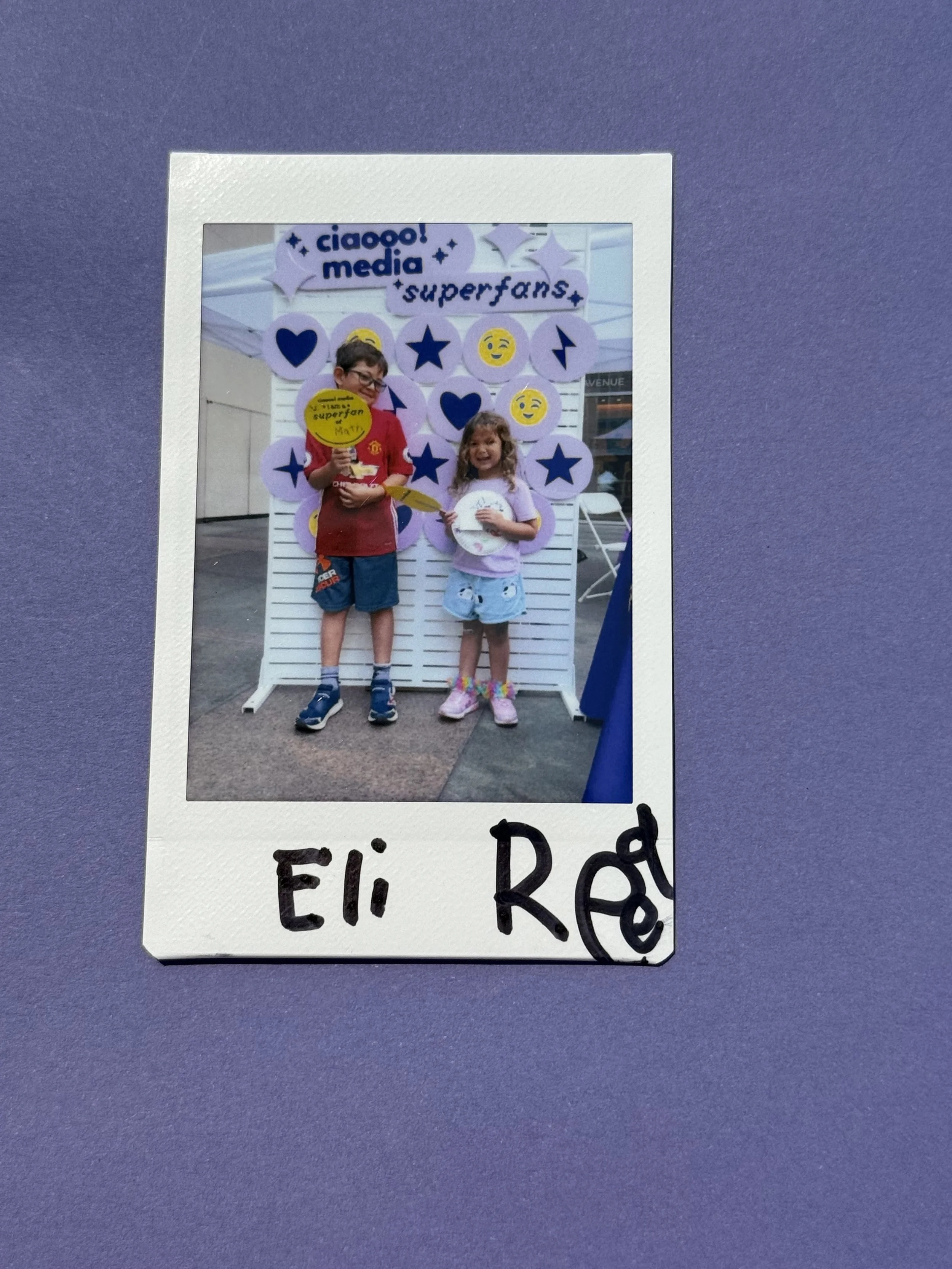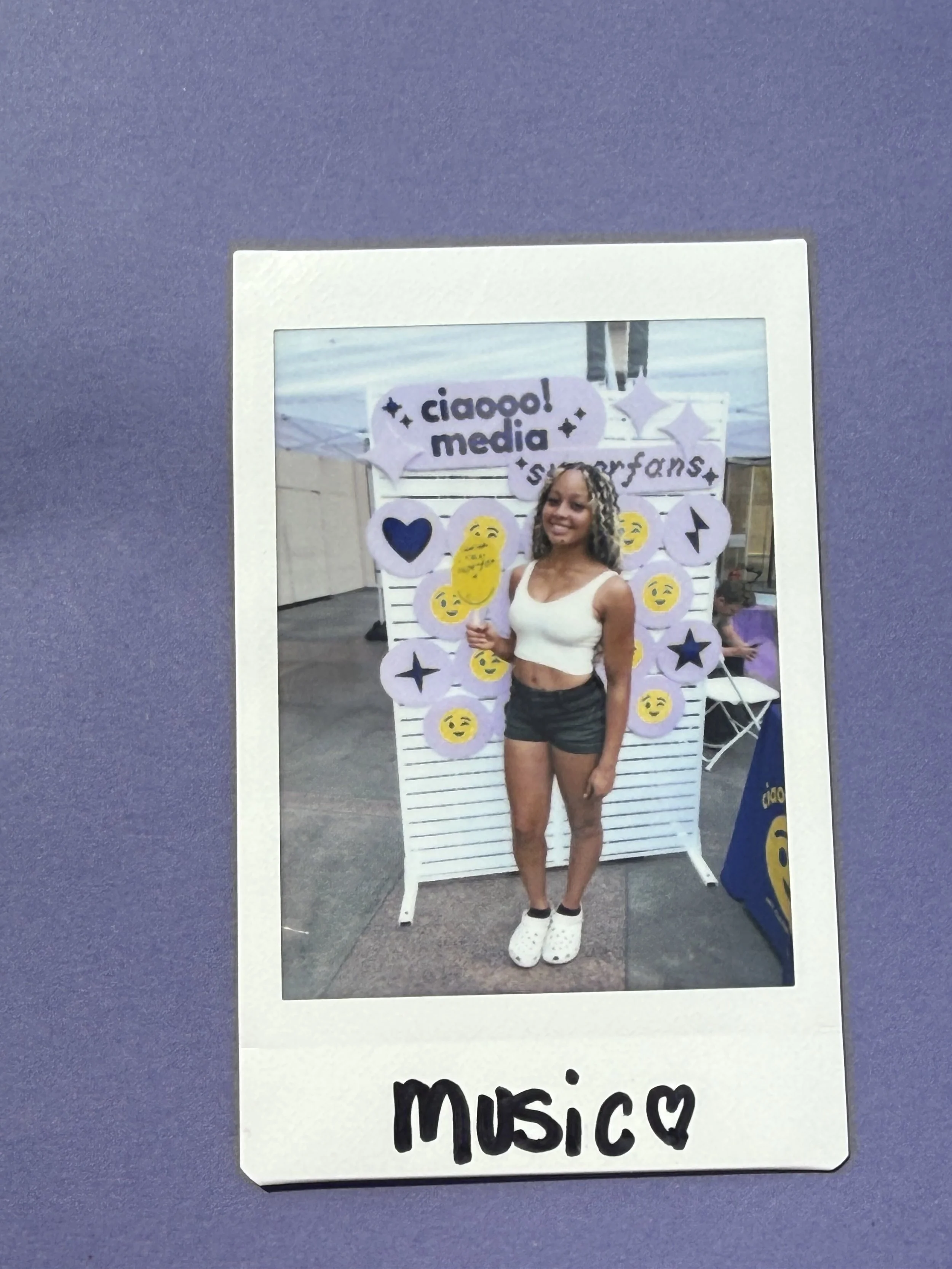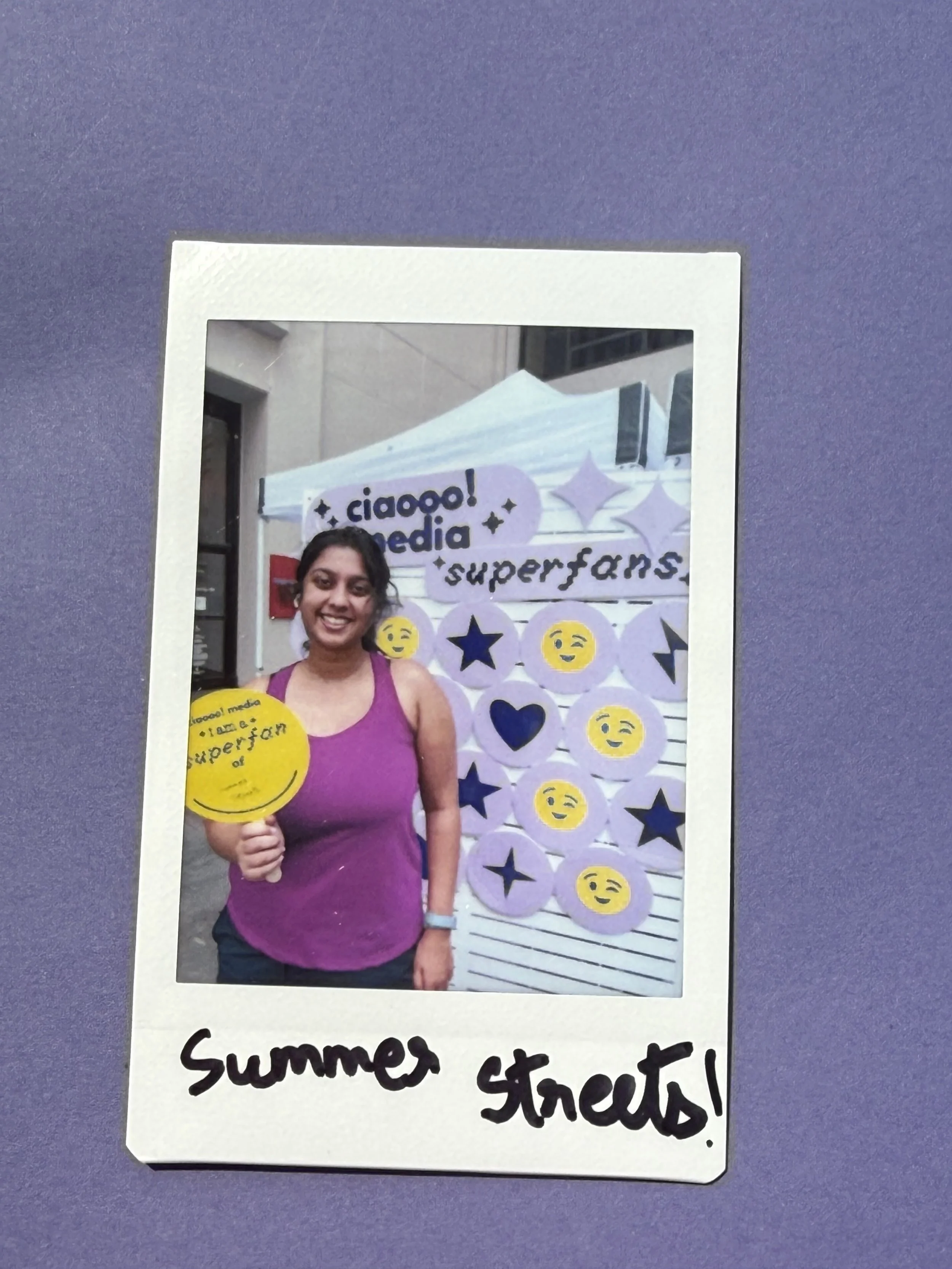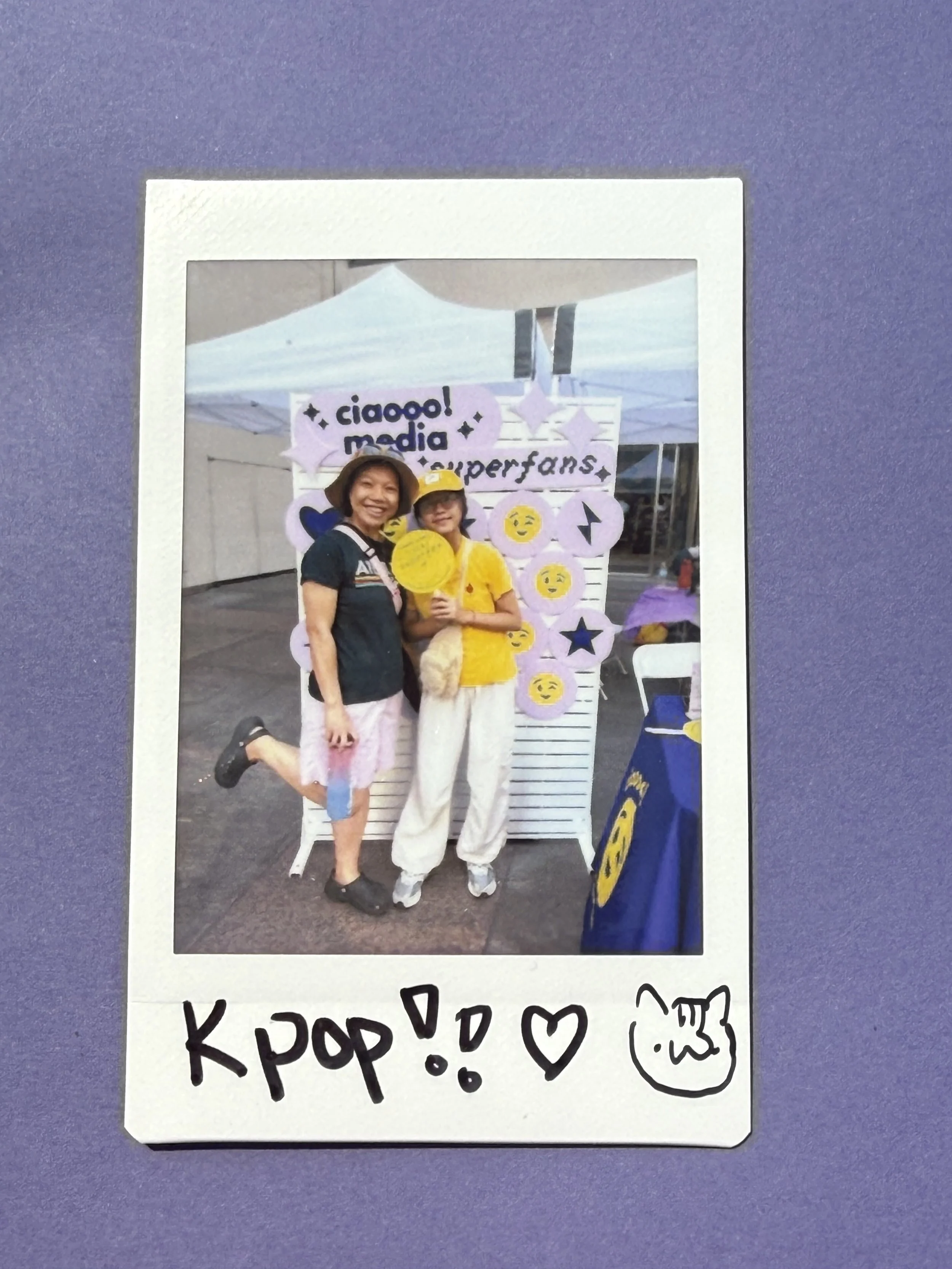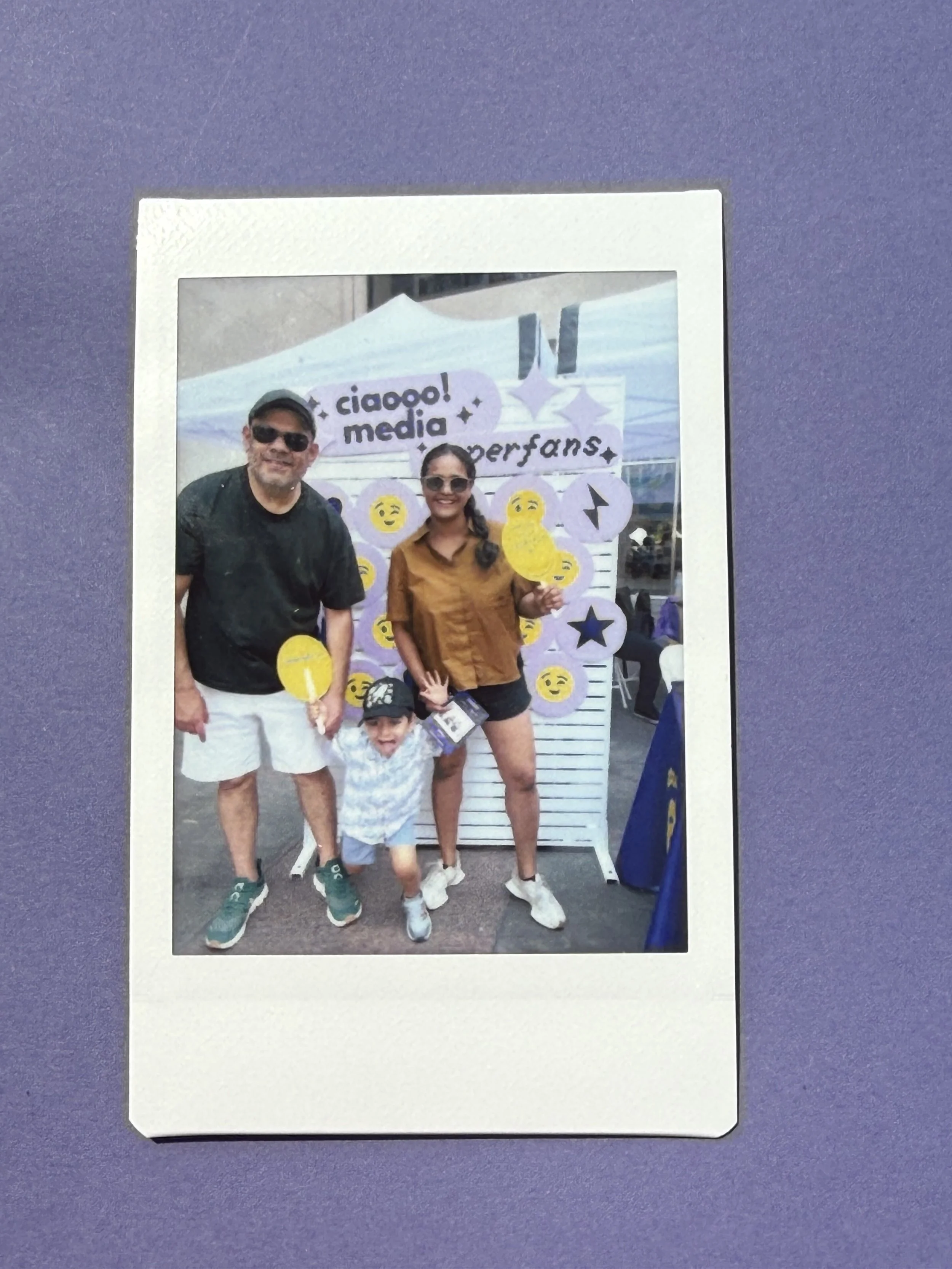
Superfan Pop-Up Case Study: NYC Summer Streets 2026
What 300+ New Yorkers taught us about building community with Gen Z and Gen Alpha.
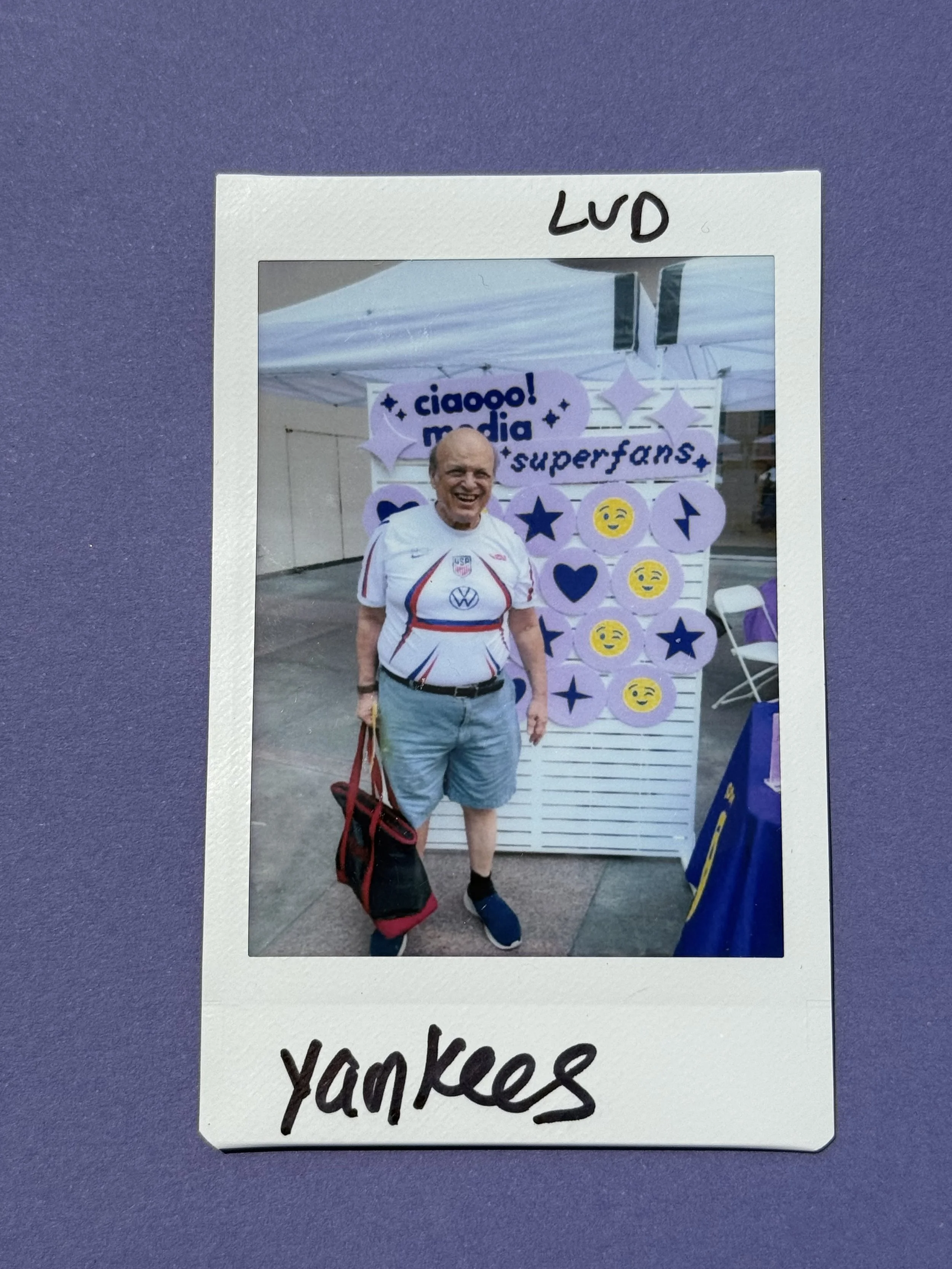
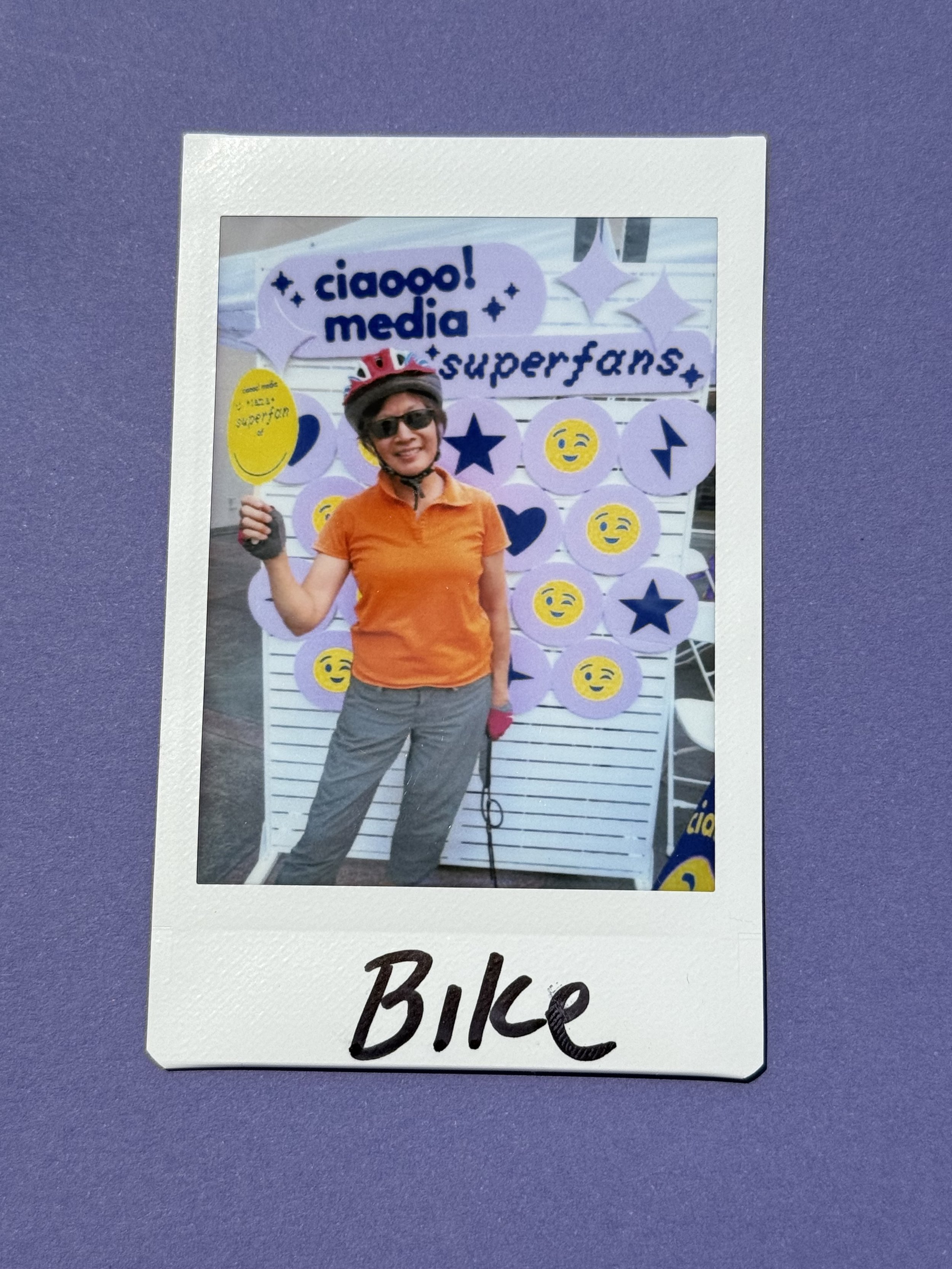
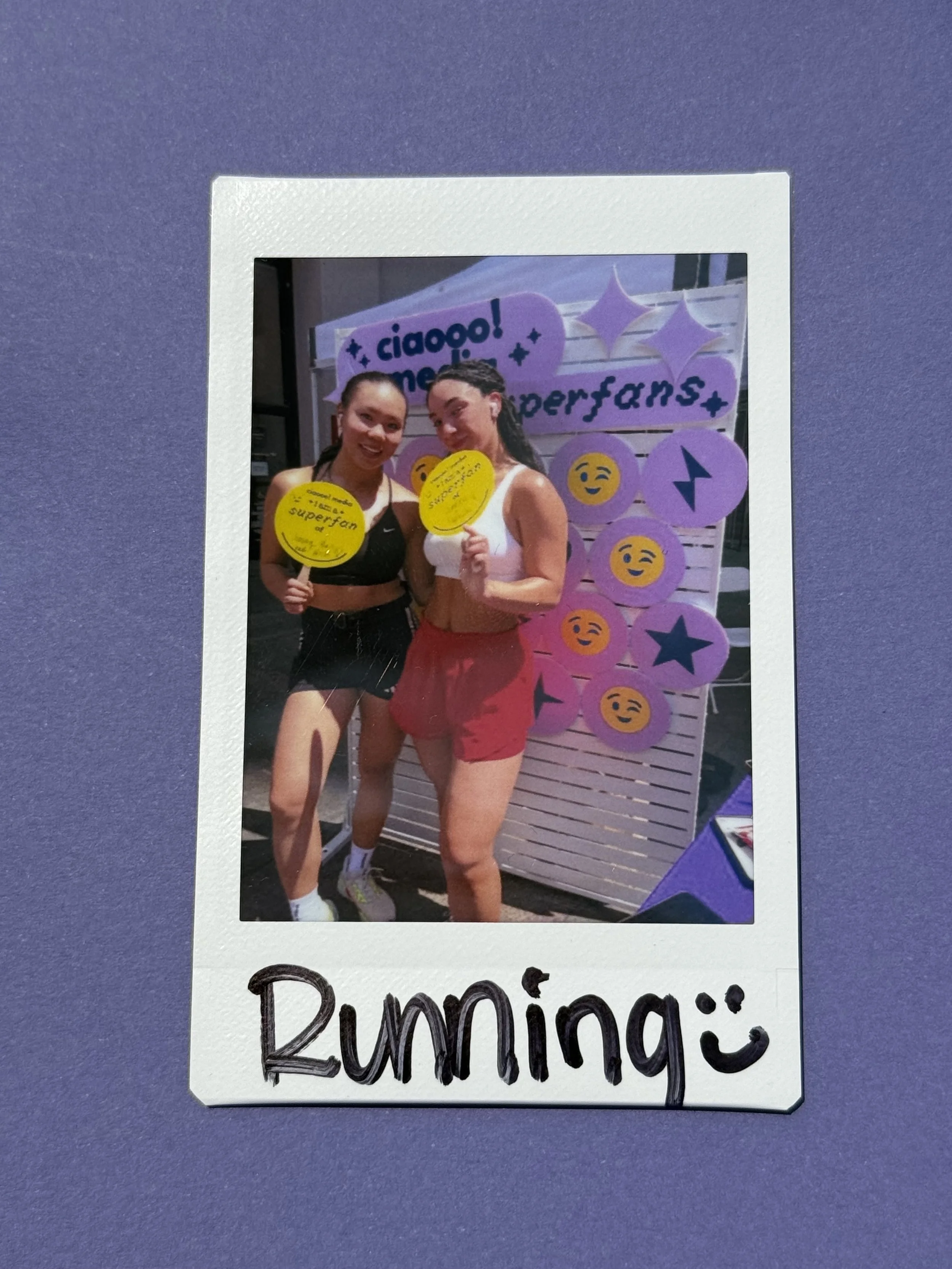
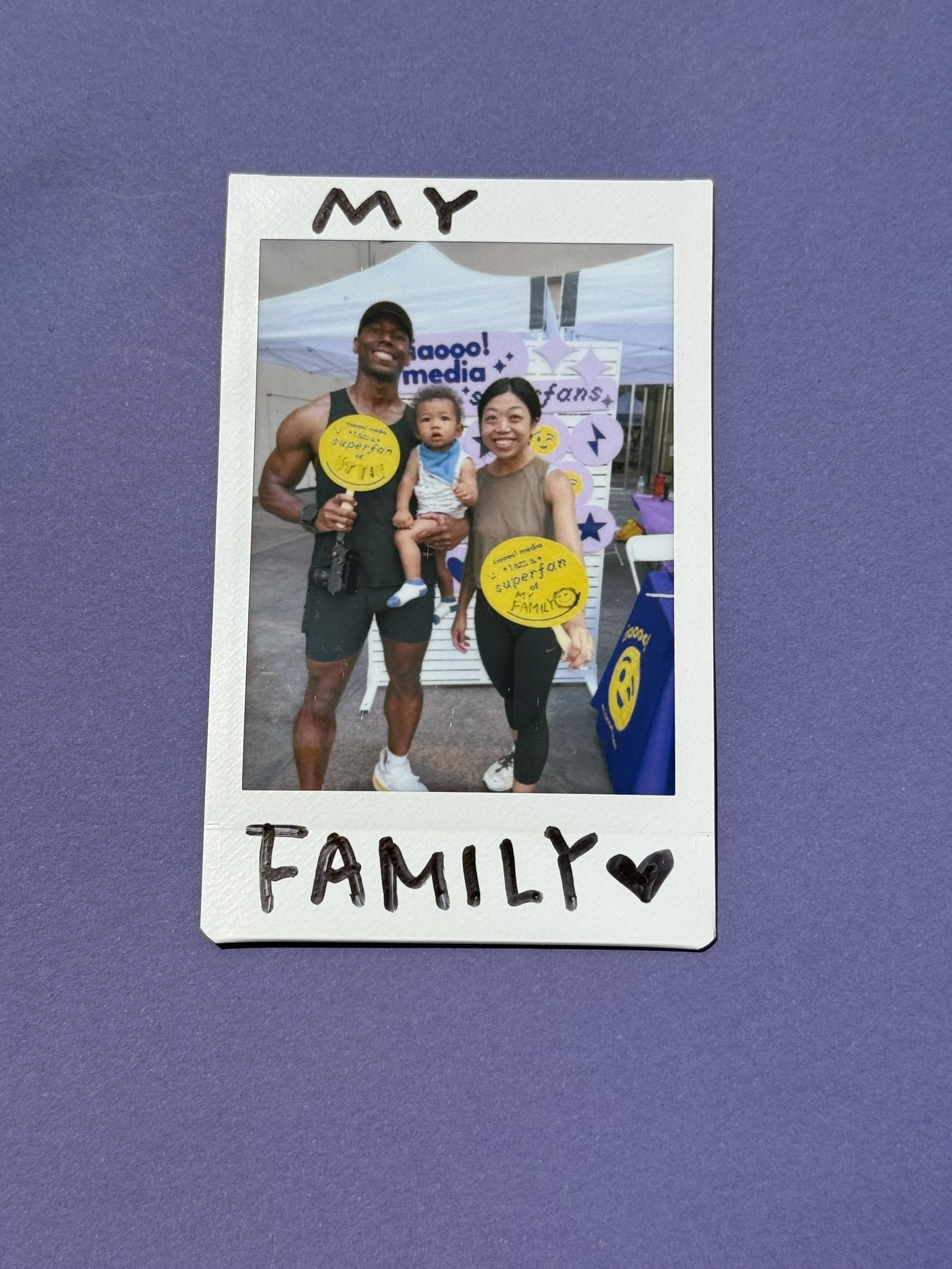
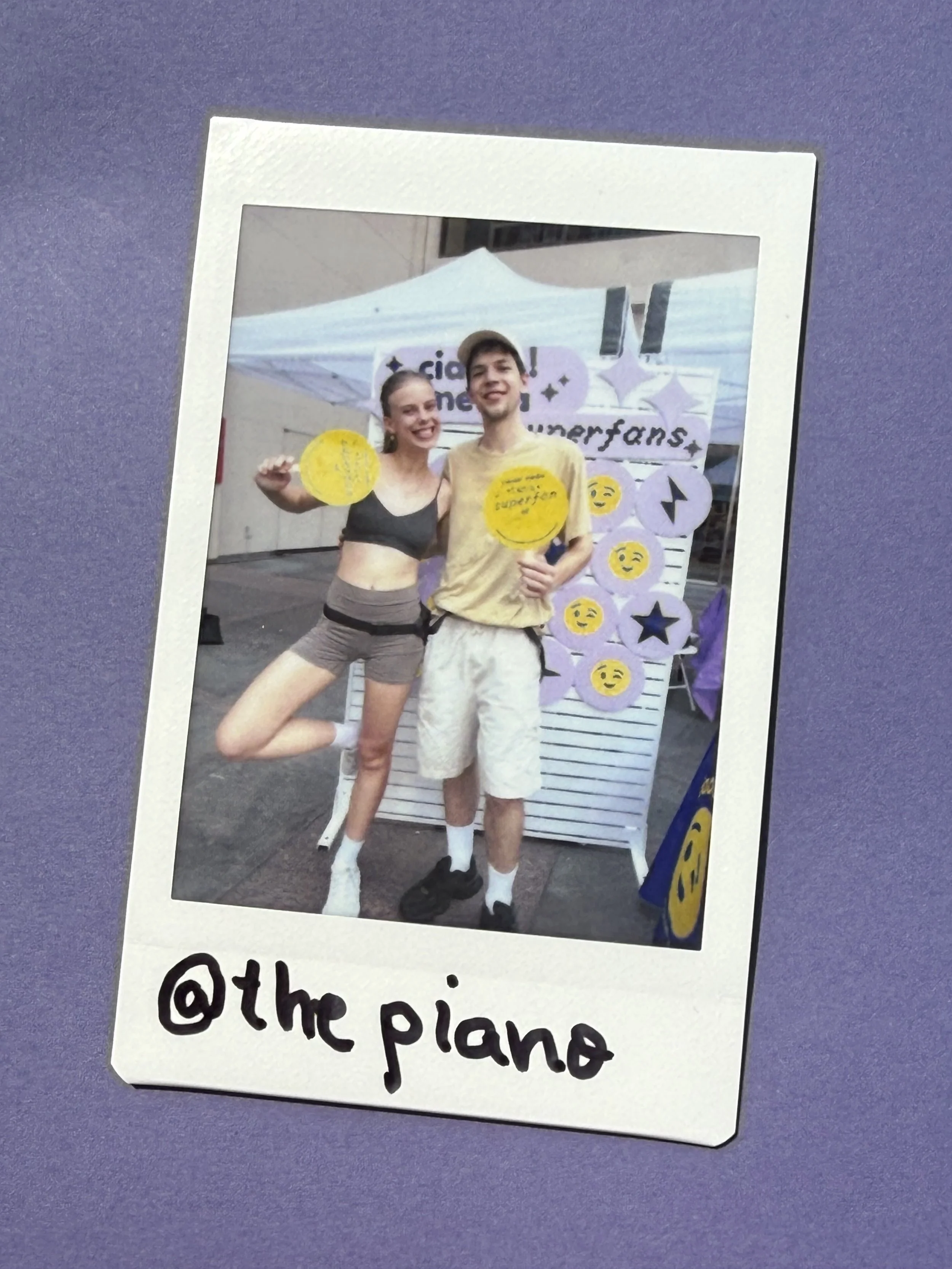
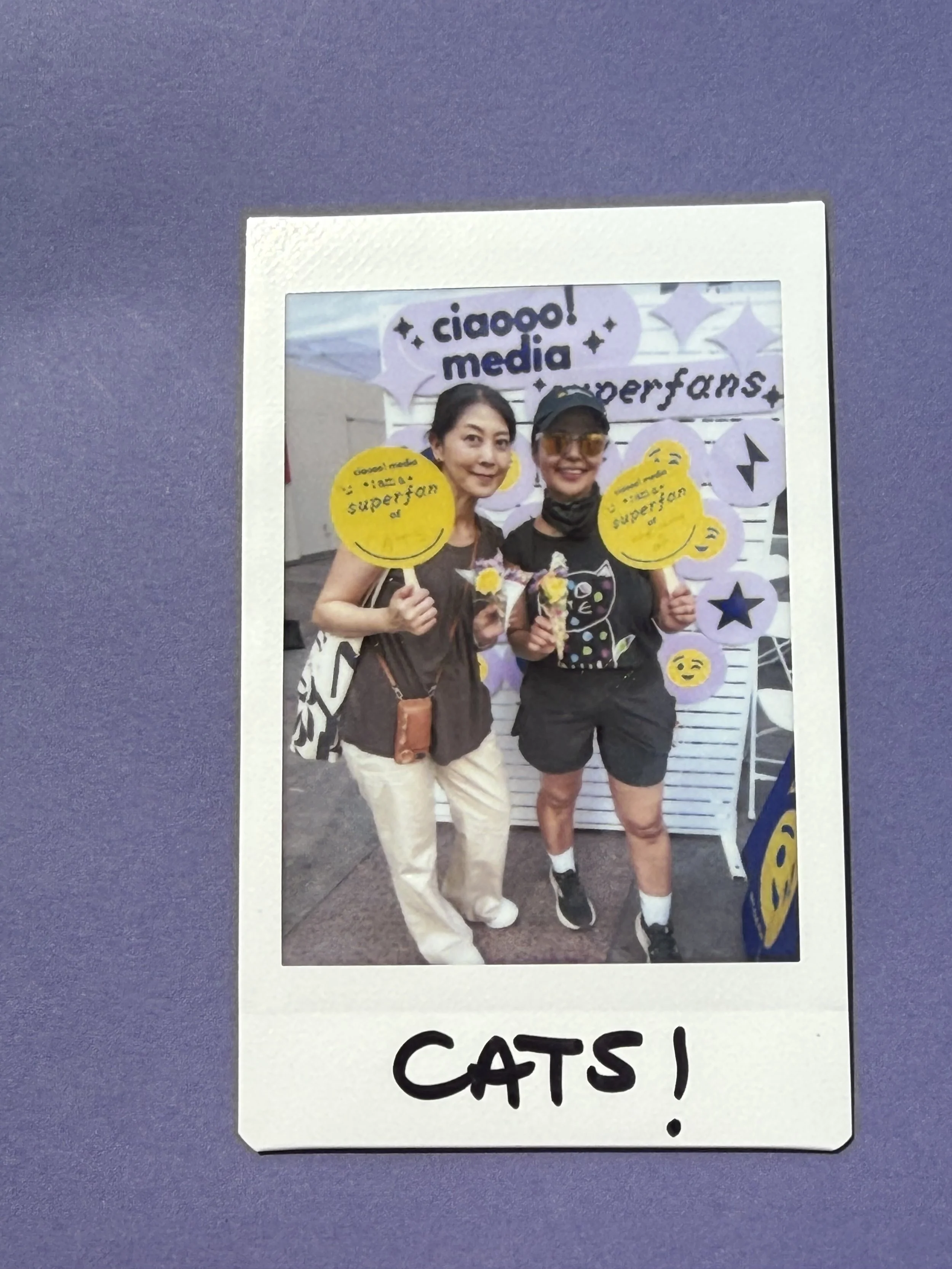
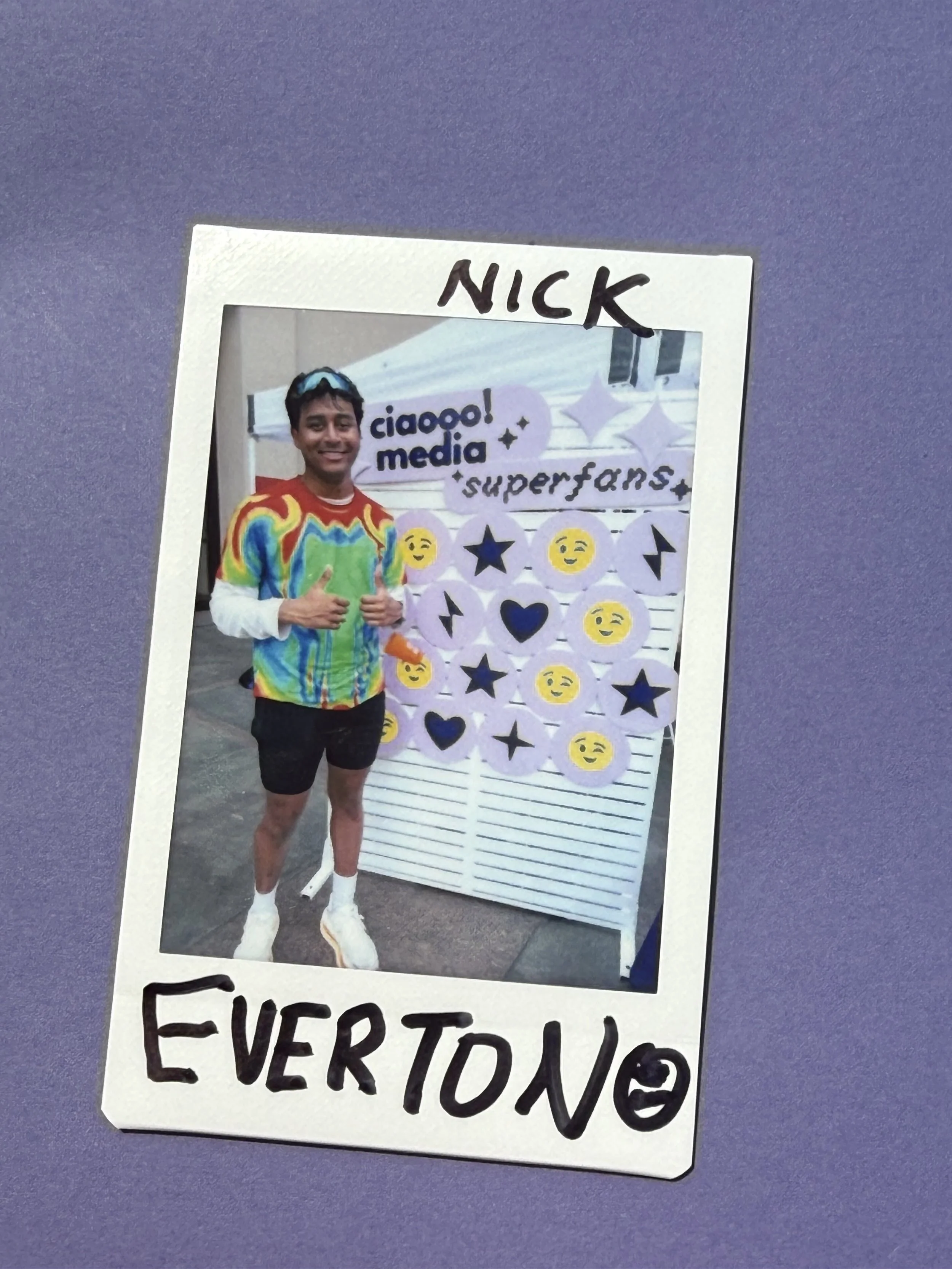
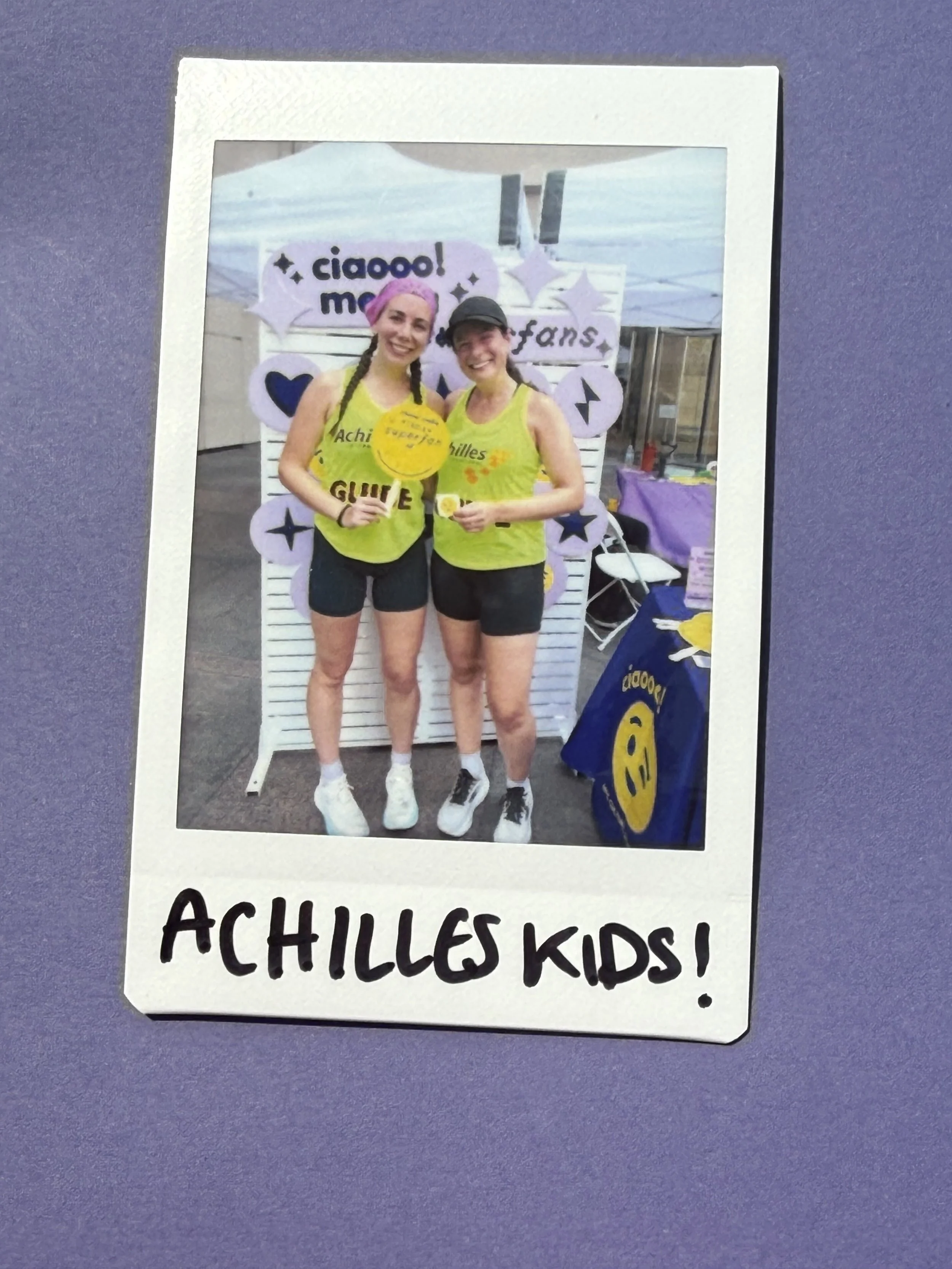
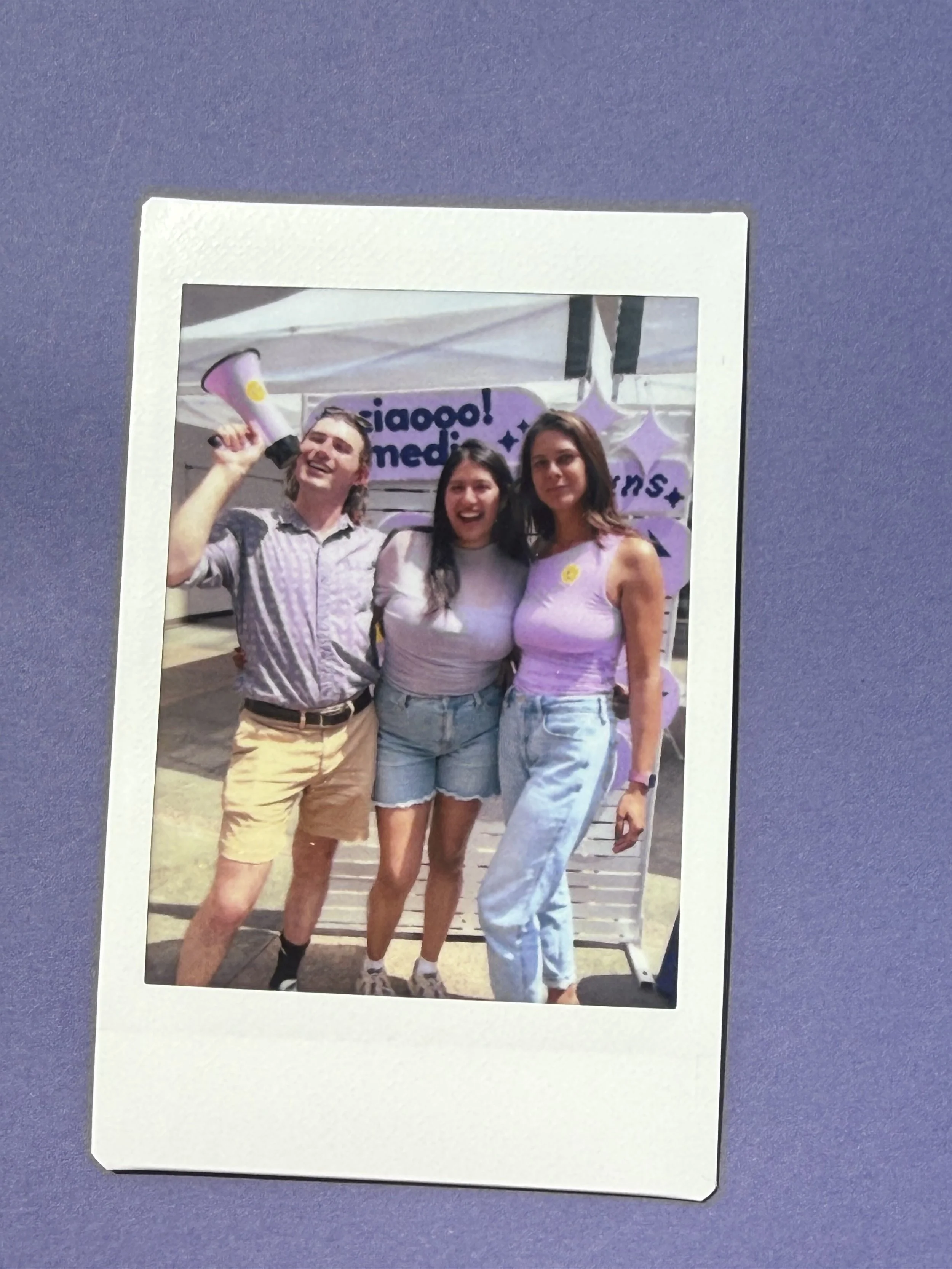
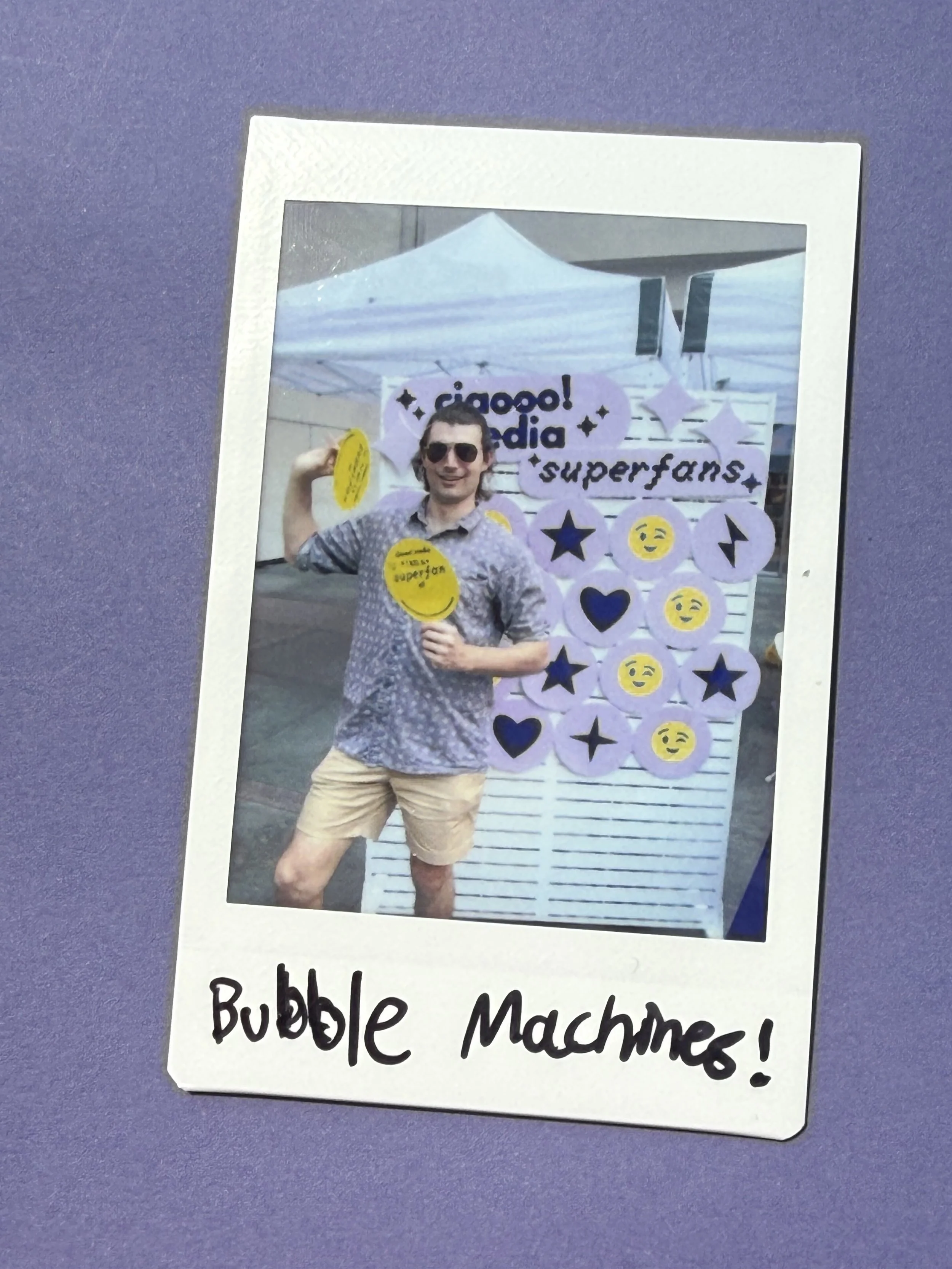
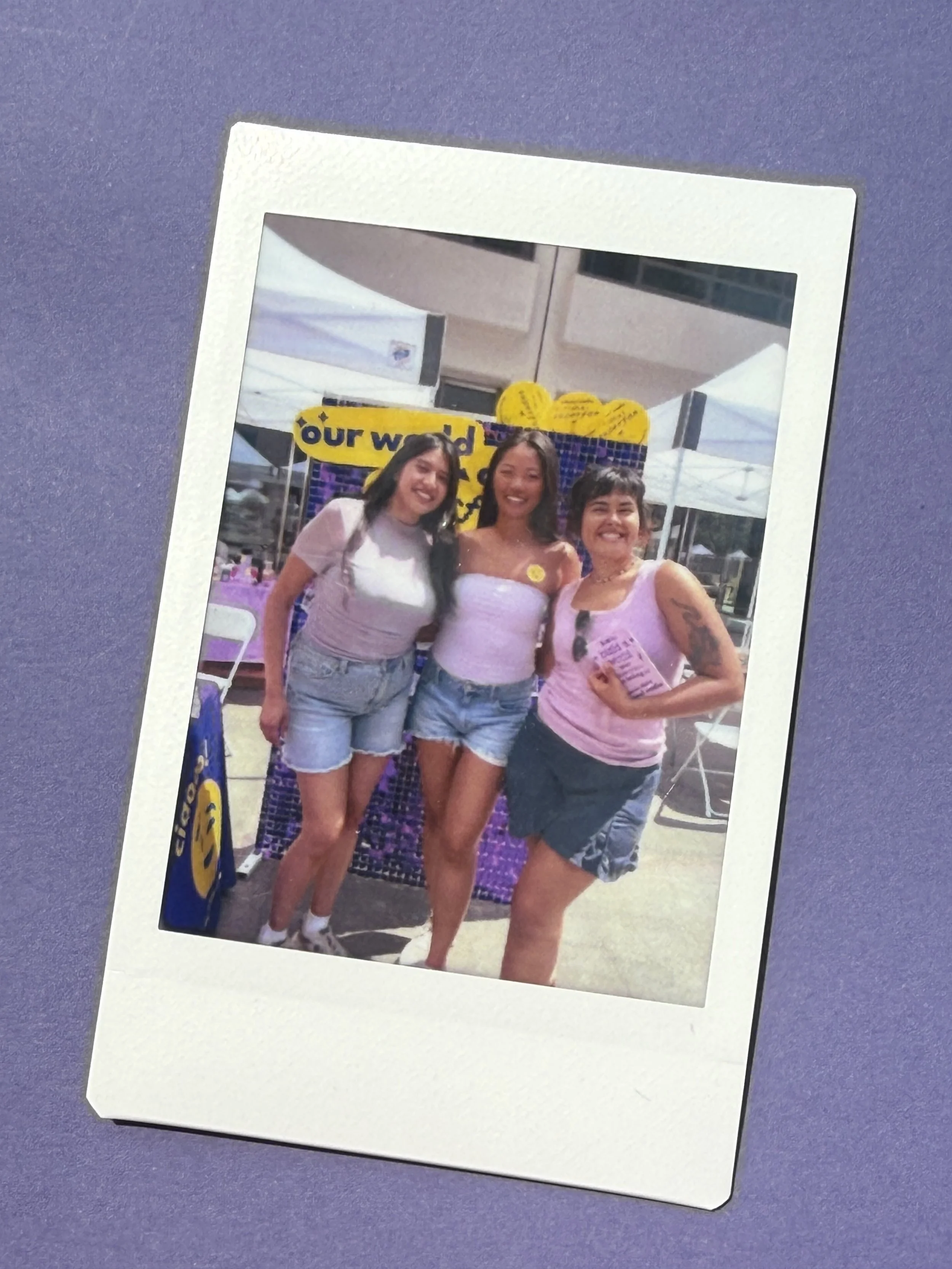
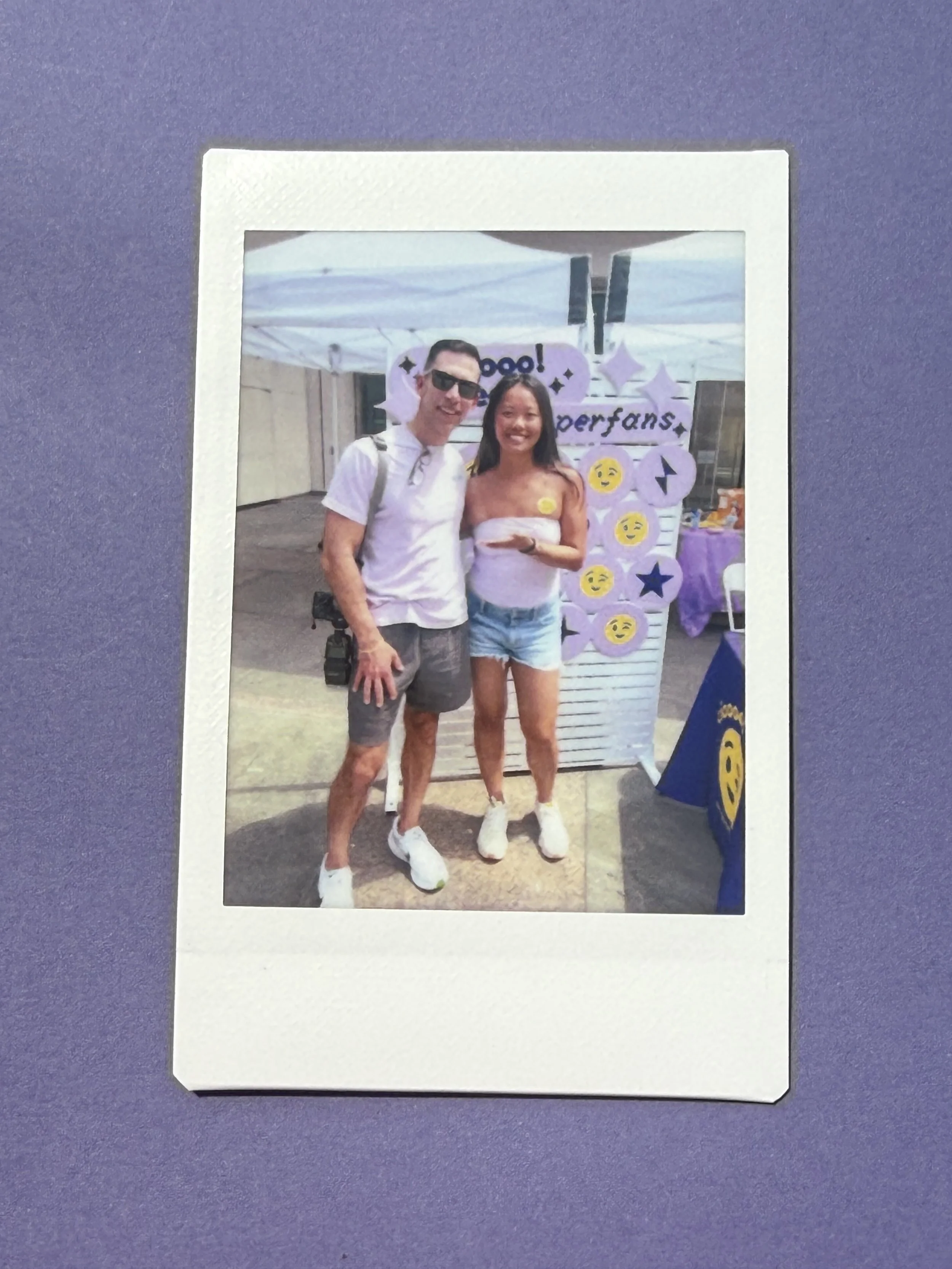
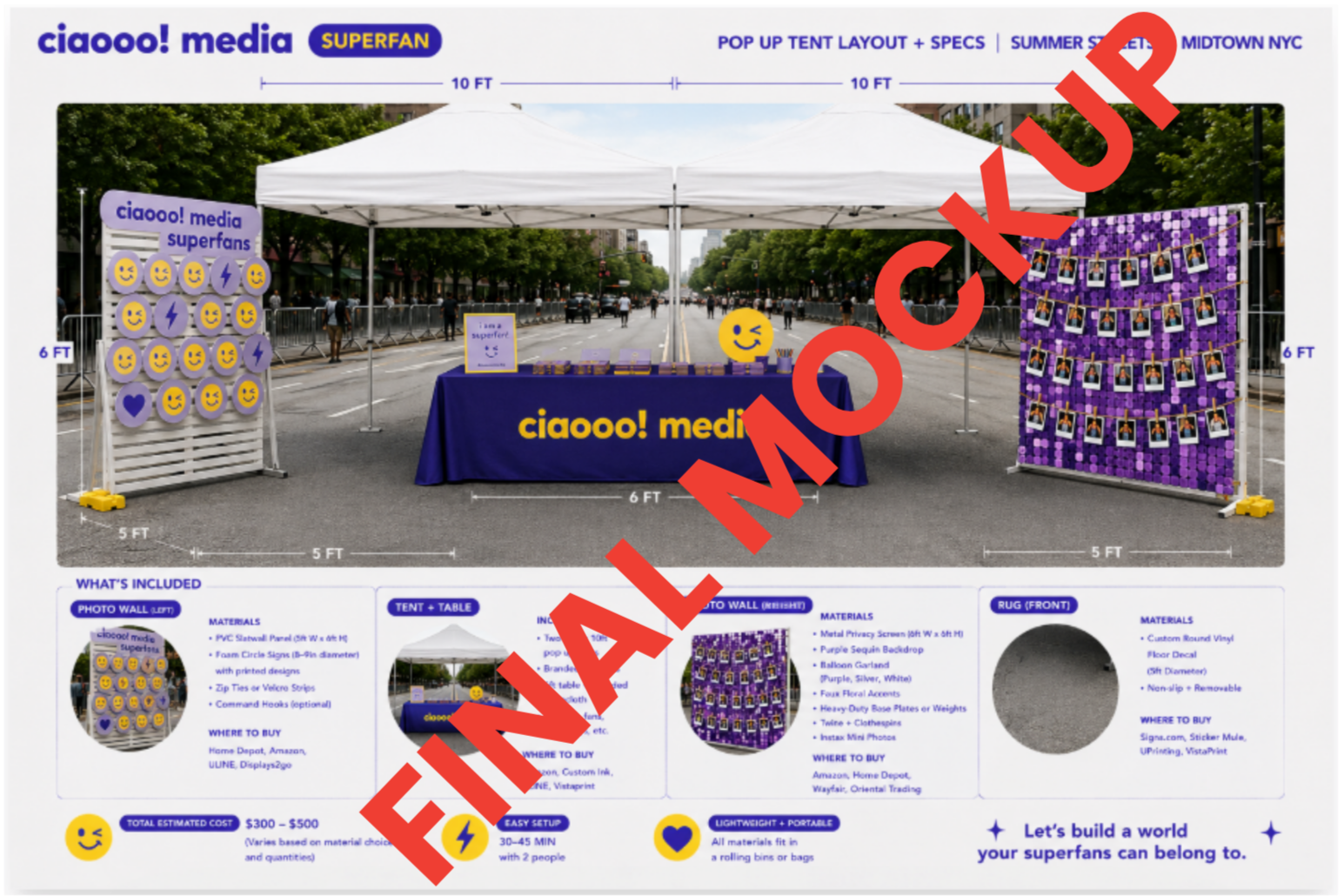
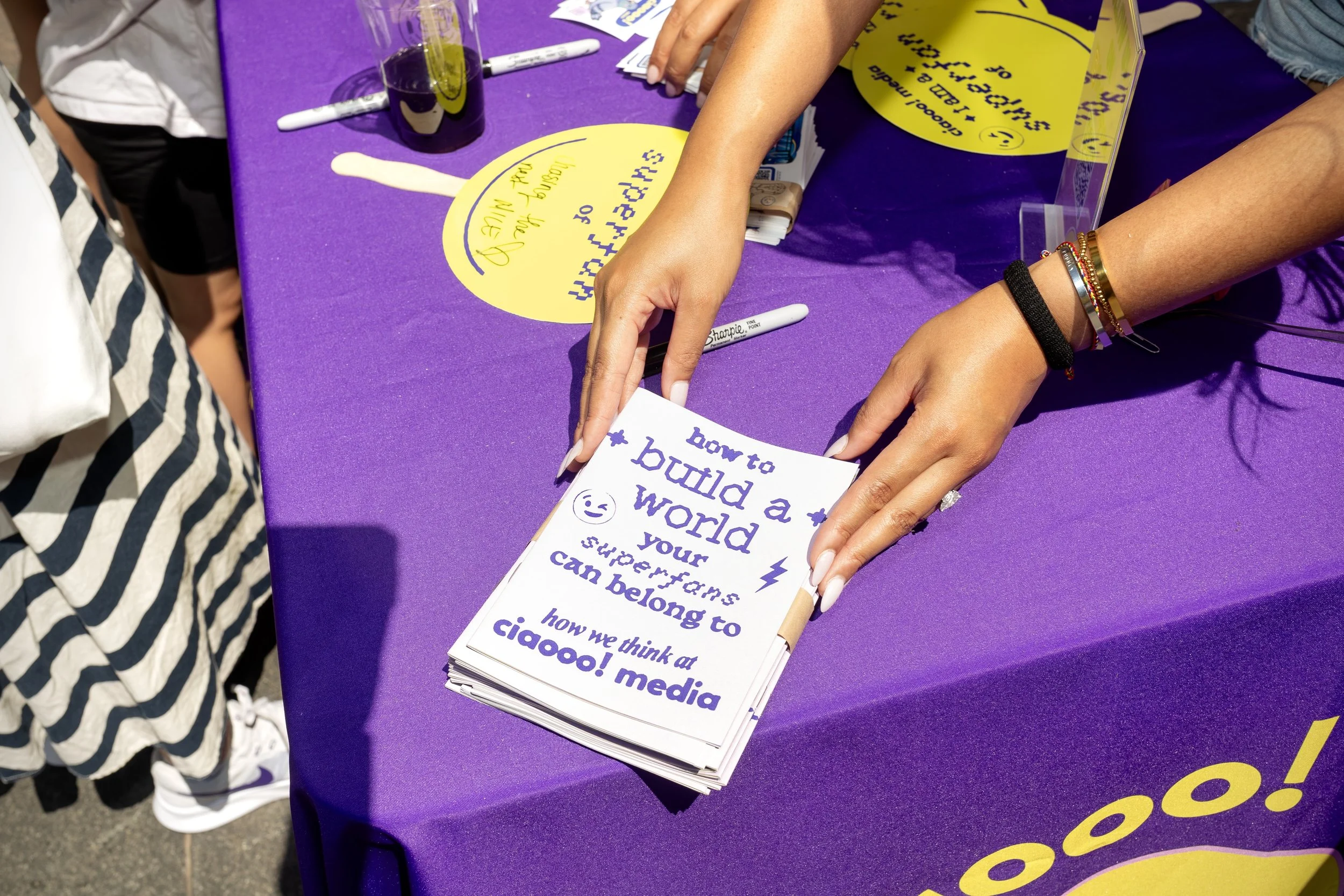
In August 2026, ciaooo! Media, a women-owned creative agency in New York City, built a superfan booth at NYC Summer Streets on 52nd and Park Avenue. We asked more than 300 New Yorkers one question: What are you a superfan of? Most didn't know at first. Once the booth gave them a place to say it, they couldn't stop.
Our zine, How to Build a World Your Superfans Can Belong To, argues that loyalty isn't built by talking about yourself. It's built by giving people somewhere to belong.
We'd been telling clients that for years. Summer Streets was our chance to test it on ourselves, in front of a crowd that didn't come looking for us: families, runners, kids on scooters, neighbors out for a walk on a car-free Park Avenue.
Why We Built a Superfan Booth
What We Discovered
1. Most people don't know they're a super fan until you give them a place to say it.
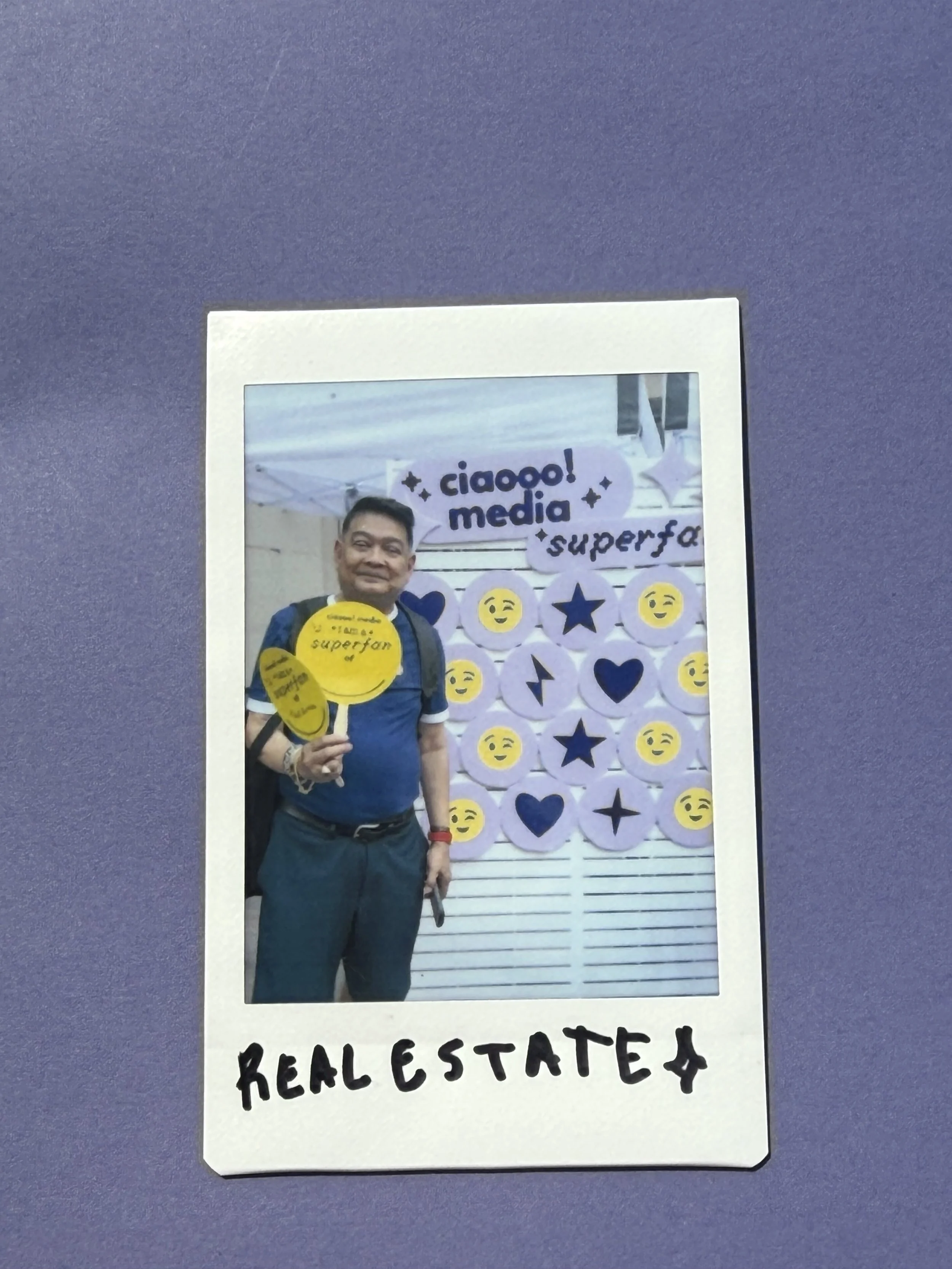
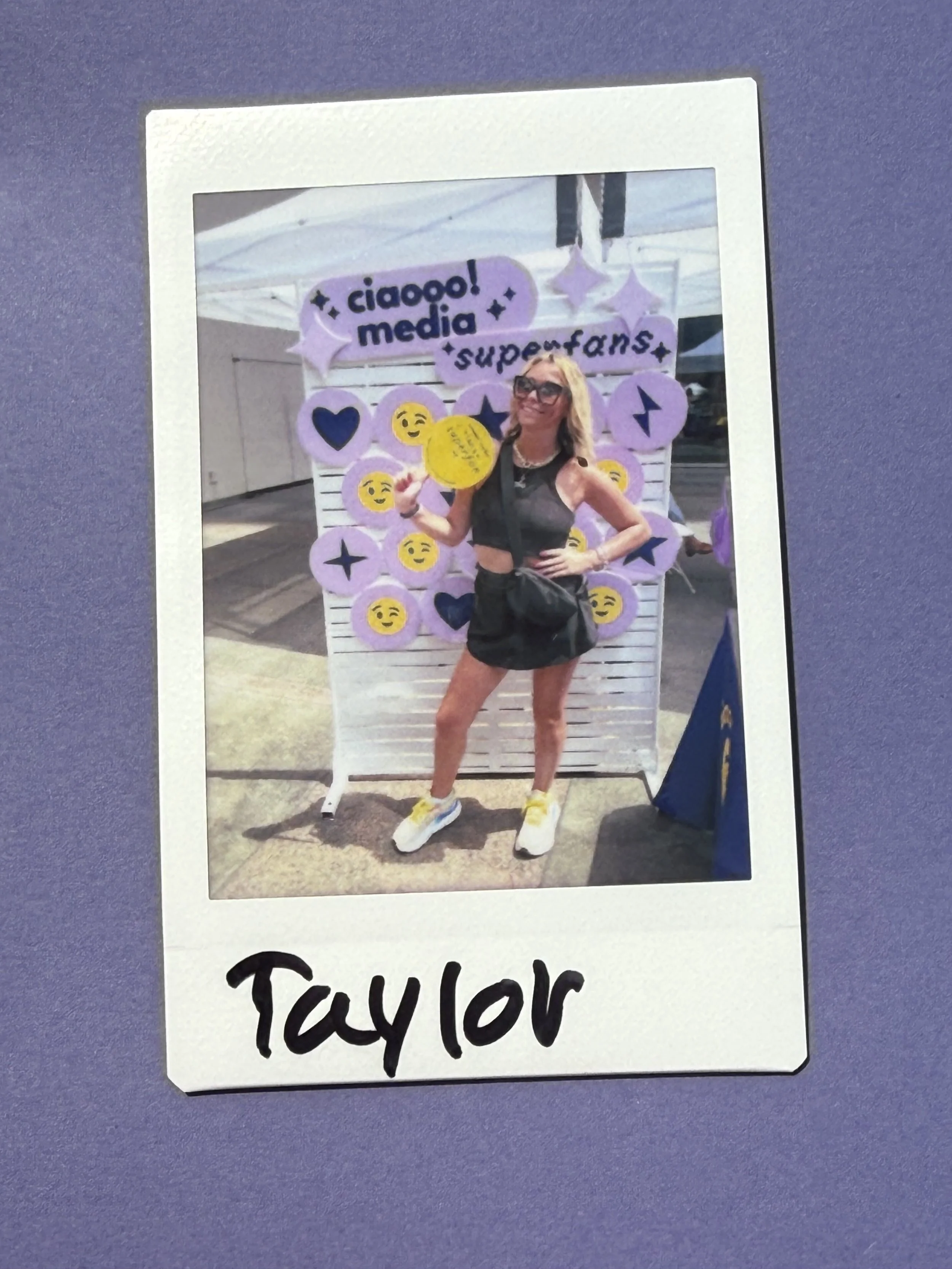
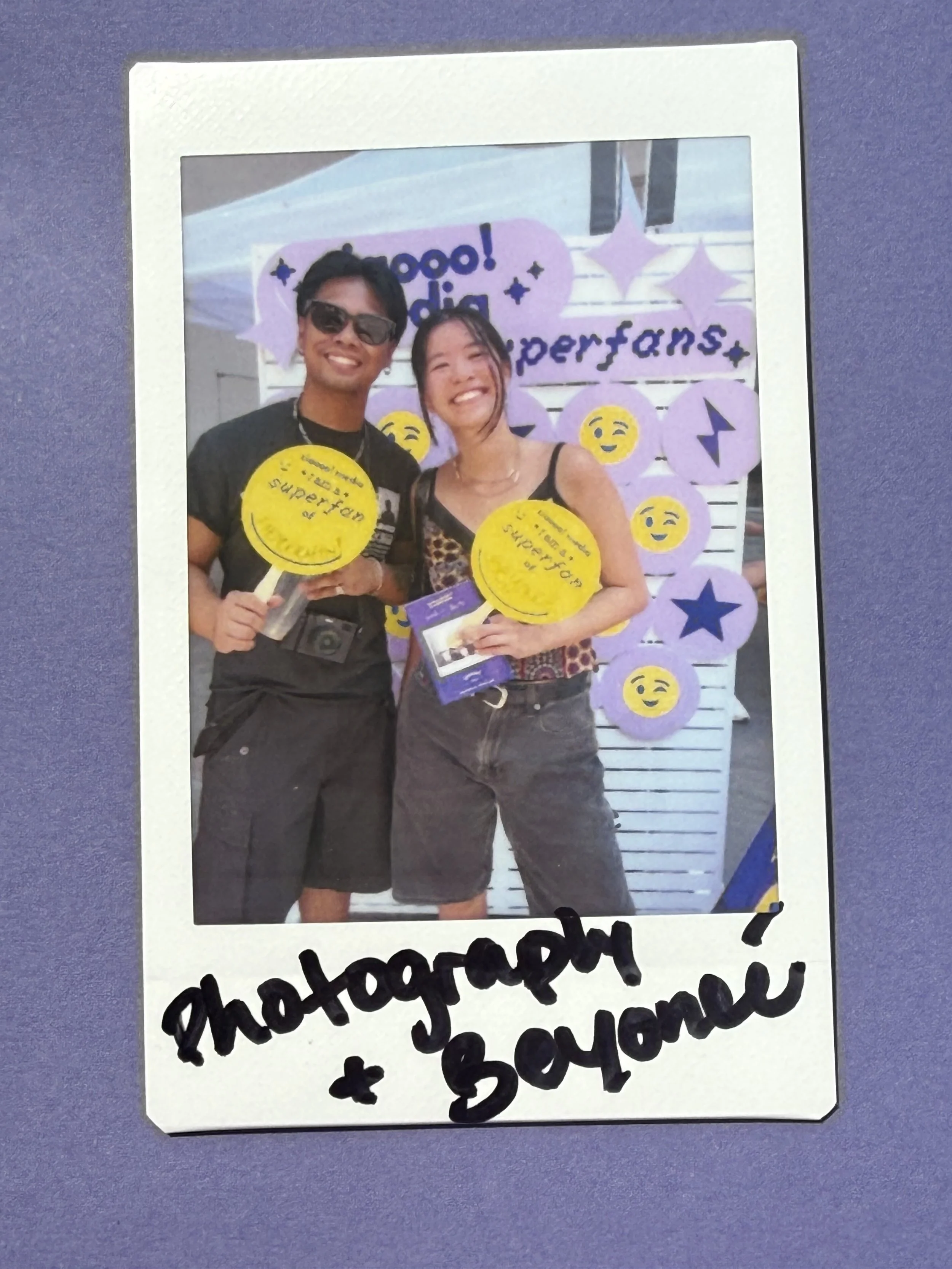
We talked to more than 300 people. The first answer we heard, over and over, was hmm, I don't know. It took a minute. A nudge. Seeing someone else's answer on the wall. Then it clicked, and the answer came out with real joy.
That's the part brands miss. You can't just announce a community and wait for people to join. Fandom is already there, quietly. Your job is to build the room where people realize it.
2. Showing up in person makes you easy to find.
Being on someone's feed is one thing. Being on their way is another. Friends and followers whose schedules never line up with ours could just drop by, because we were right there on their route. In-person isn't a one-off stunt. It's a channel.
3. The best giveaway is something people actually use.
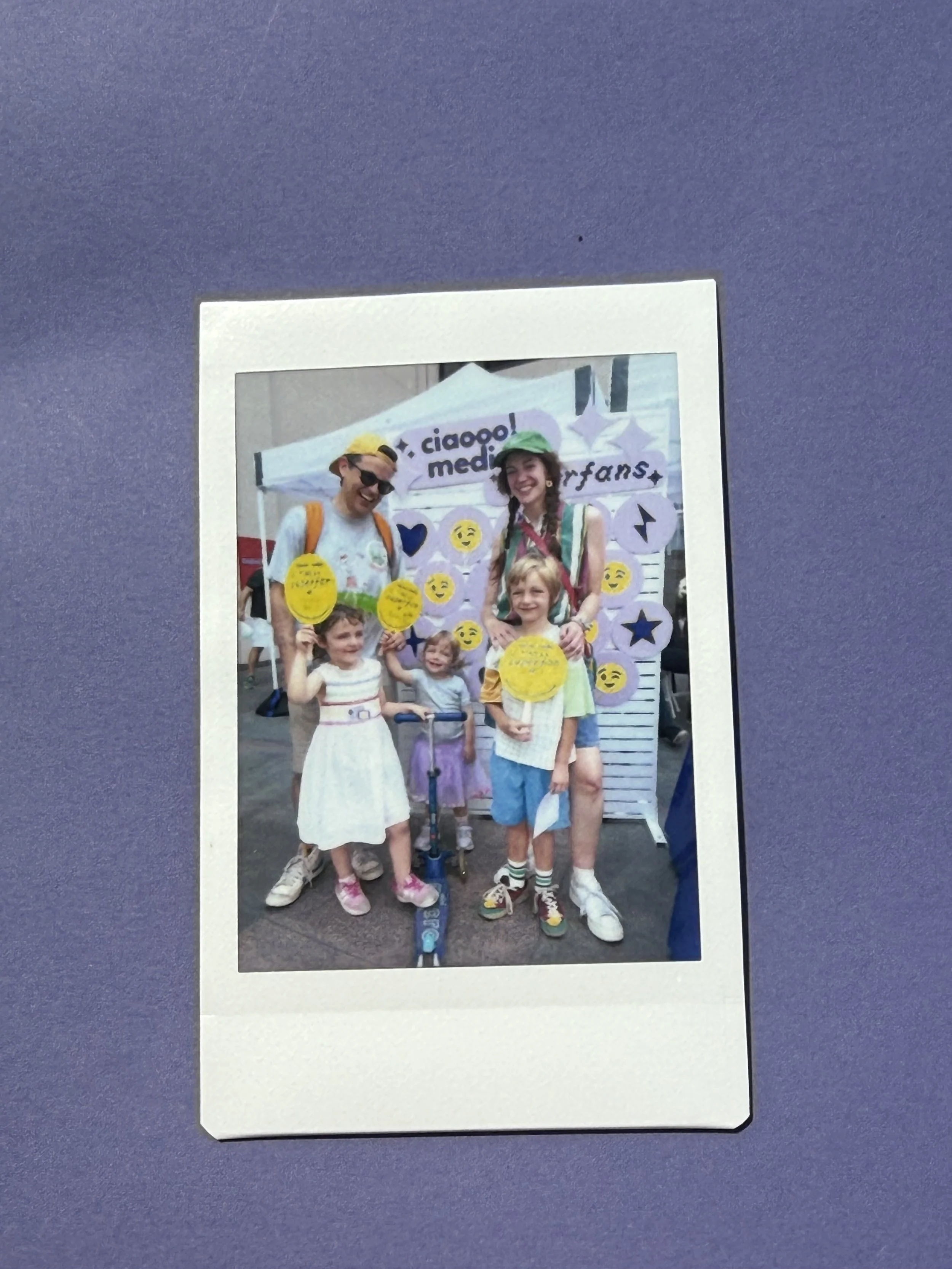
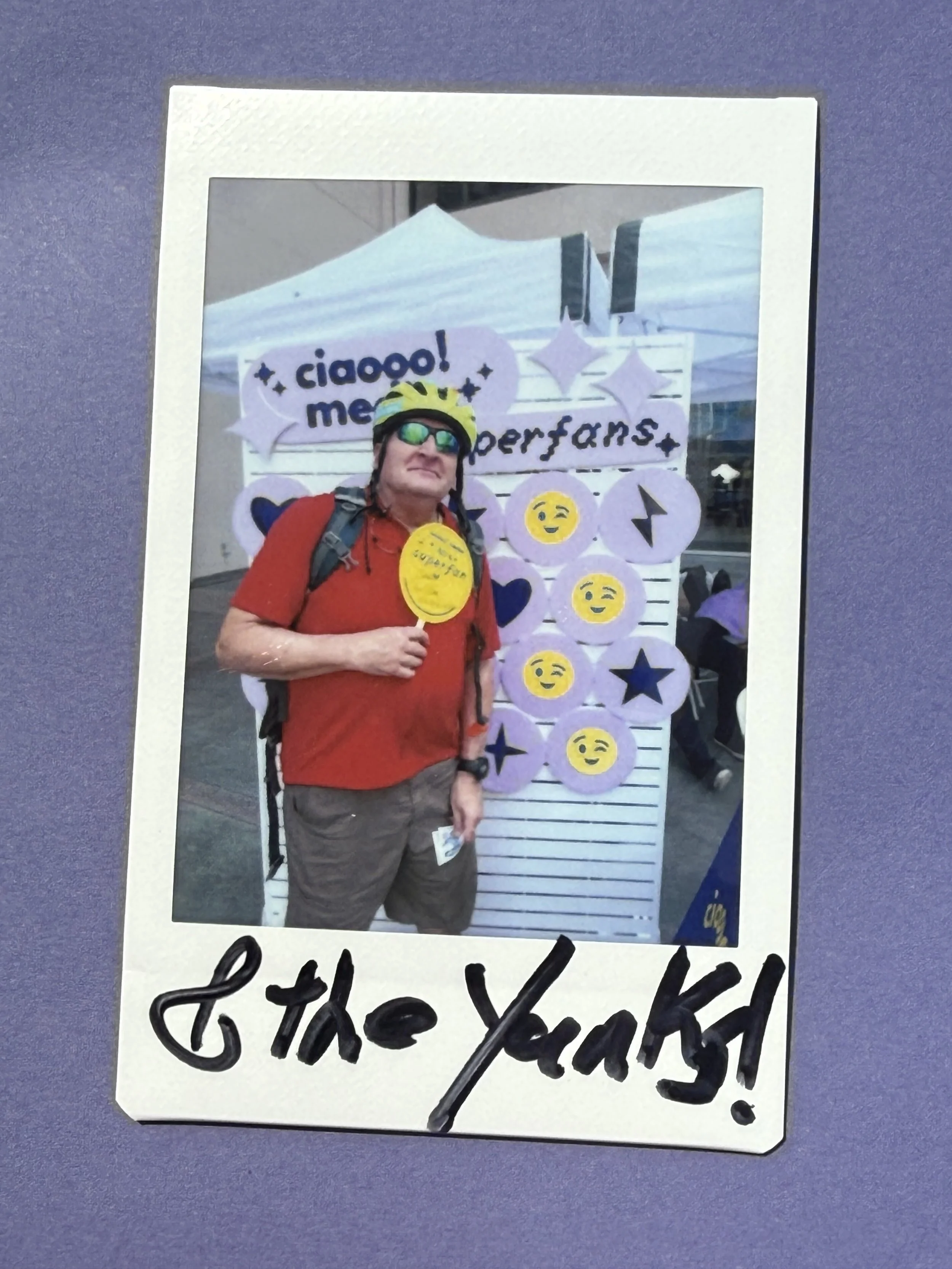
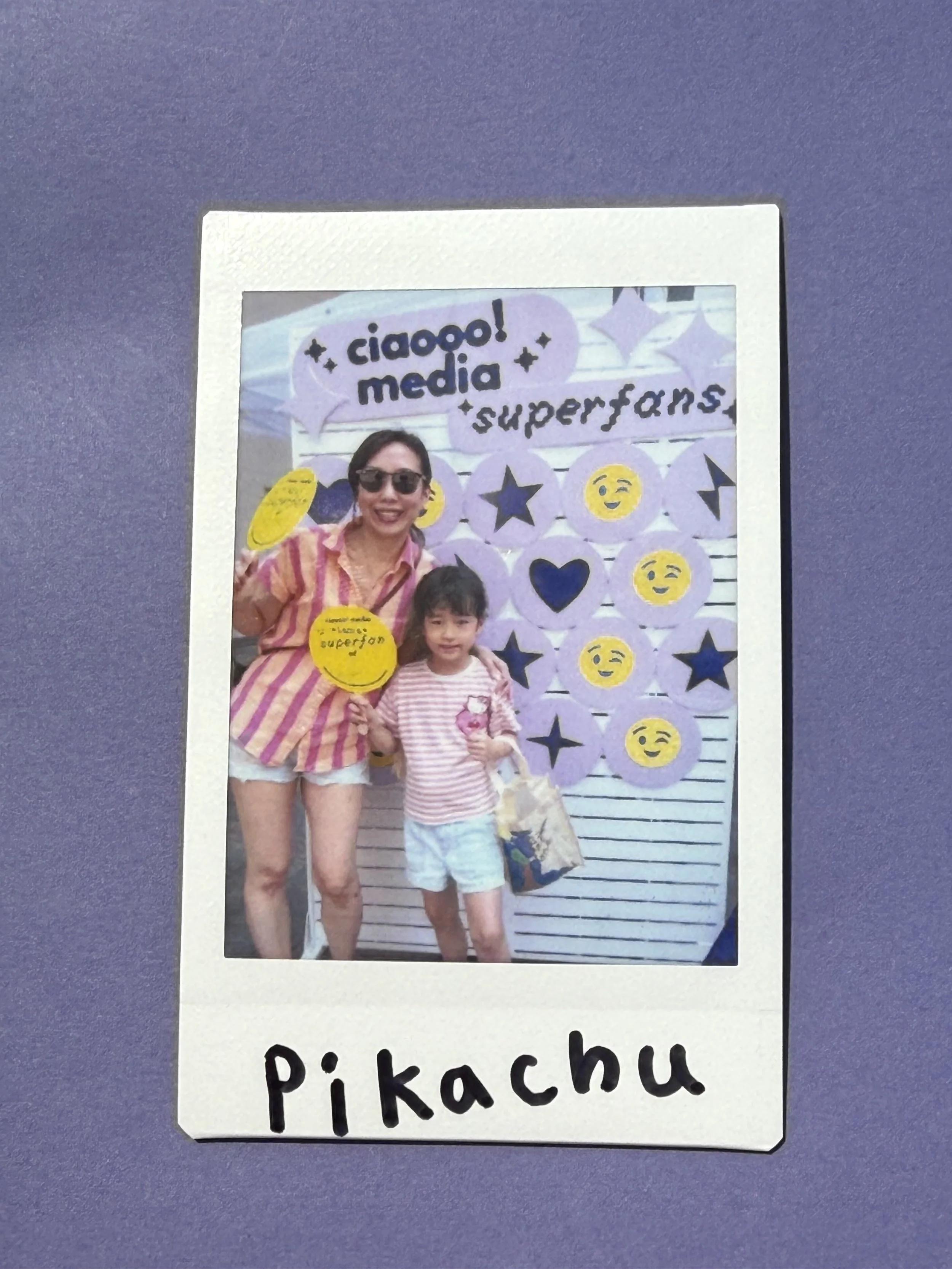
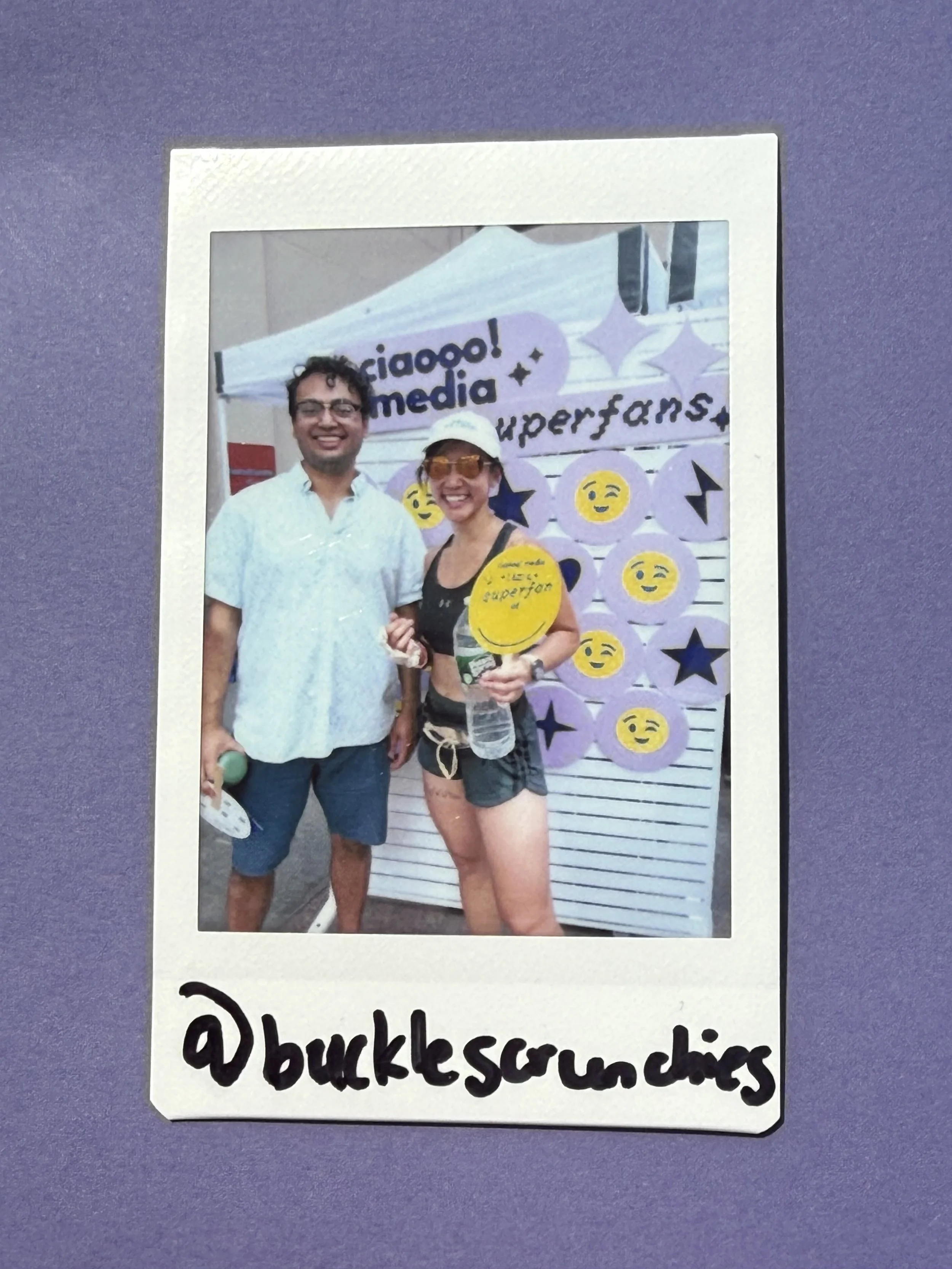
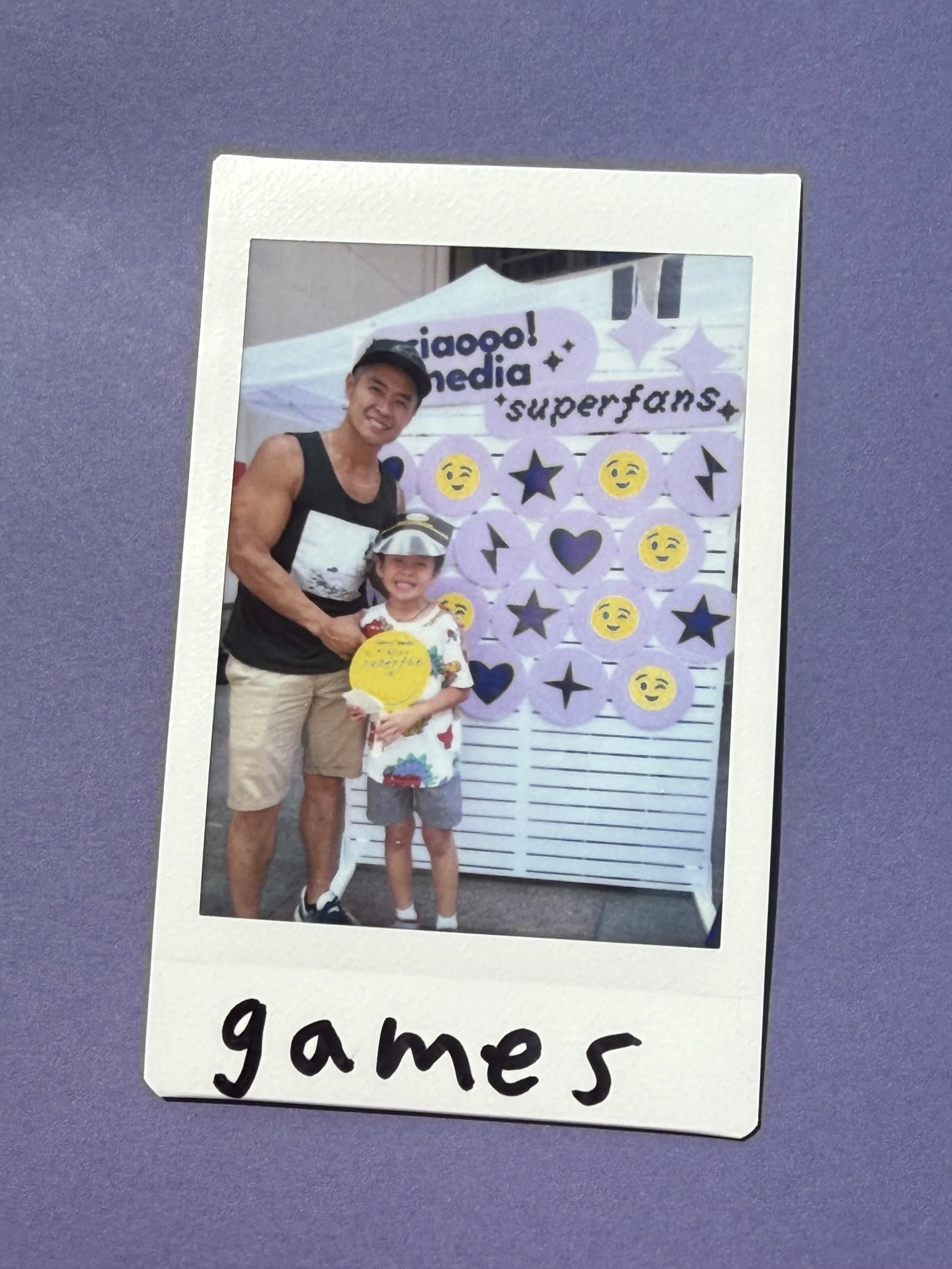
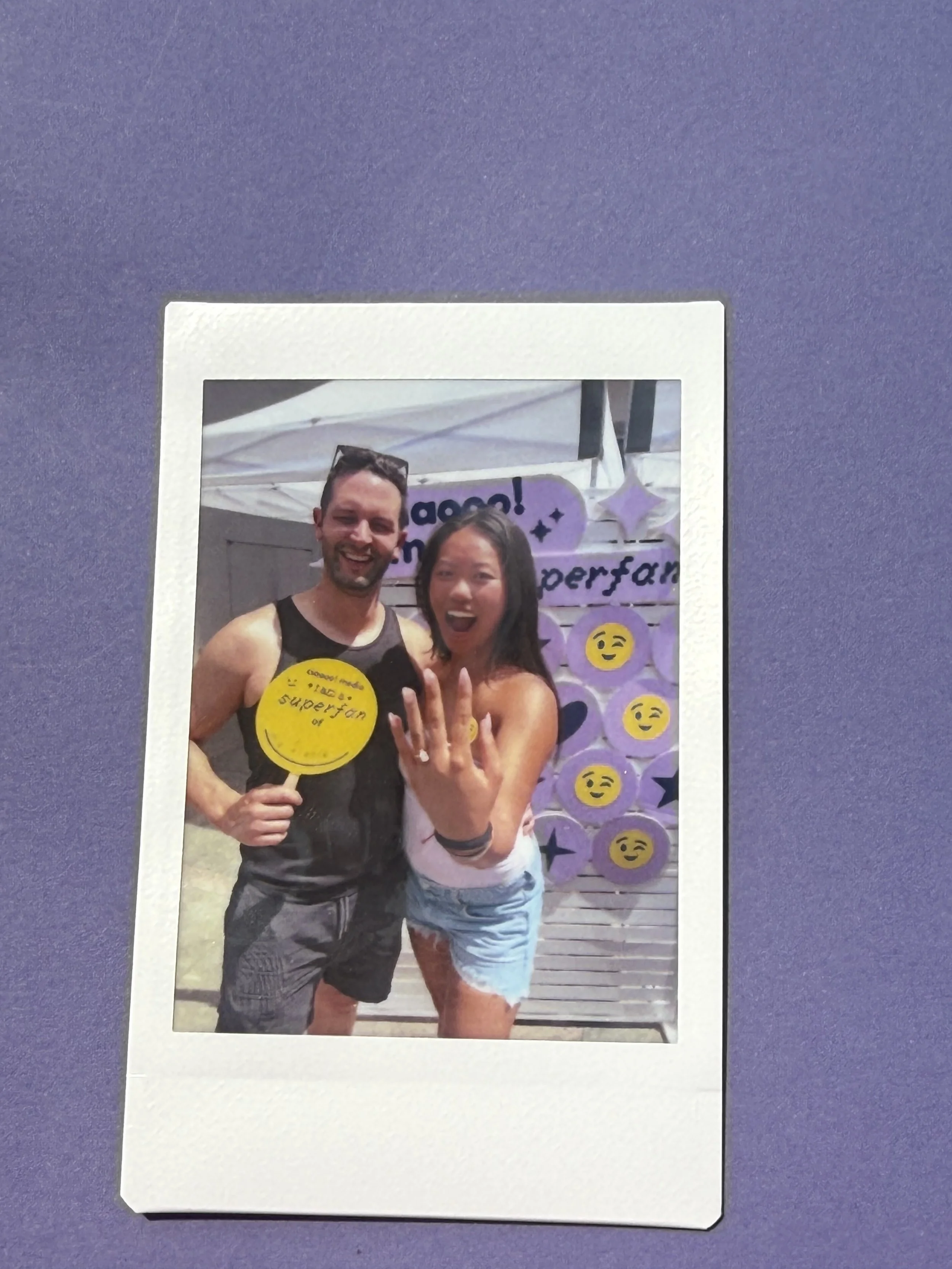
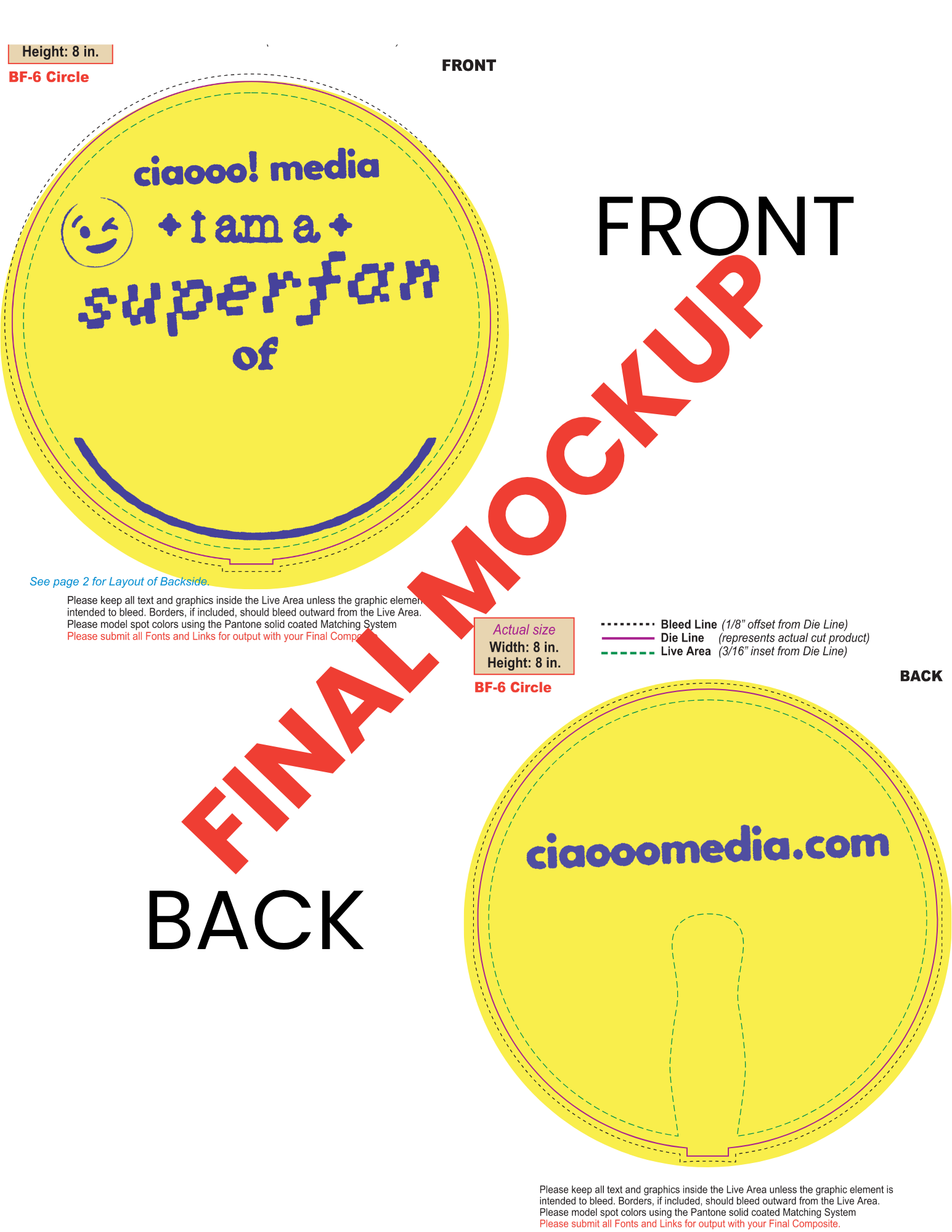
Our fans weren't swag. On a hot day, they were relief, with our name on them. They went home on the subway. The Polaroids went home too, and somewhere there's a fridge with a family photo and a little ciaooo! in the background. That's brand presence in someone's real life.
Who Showed Up
A little girl told us she's a super fan of birthday parties. Her dad leaned in: she's not exaggerating. She has a lot of stuffed animals, and every single day is one of their birthdays.
Then her younger sibling stepped up. Super fan of bananas.
The Gen Alpha answers kept coming. Katseye. Cats. Minecraft. We could have run a focus group for a year and not gotten a cleaner read on what that generation actually loves.
A group of young girls asked who we were. When we told them we're a 100% woman-owned agency, their faces changed. Wait, really? That's so cool. We didn't plan for that moment. It might be our favorite one.
Someone stopped by to tell us pigeons are having a moment. She was right. The pigeon sticker was the crowd favorite, and by the end of the day we had three left.
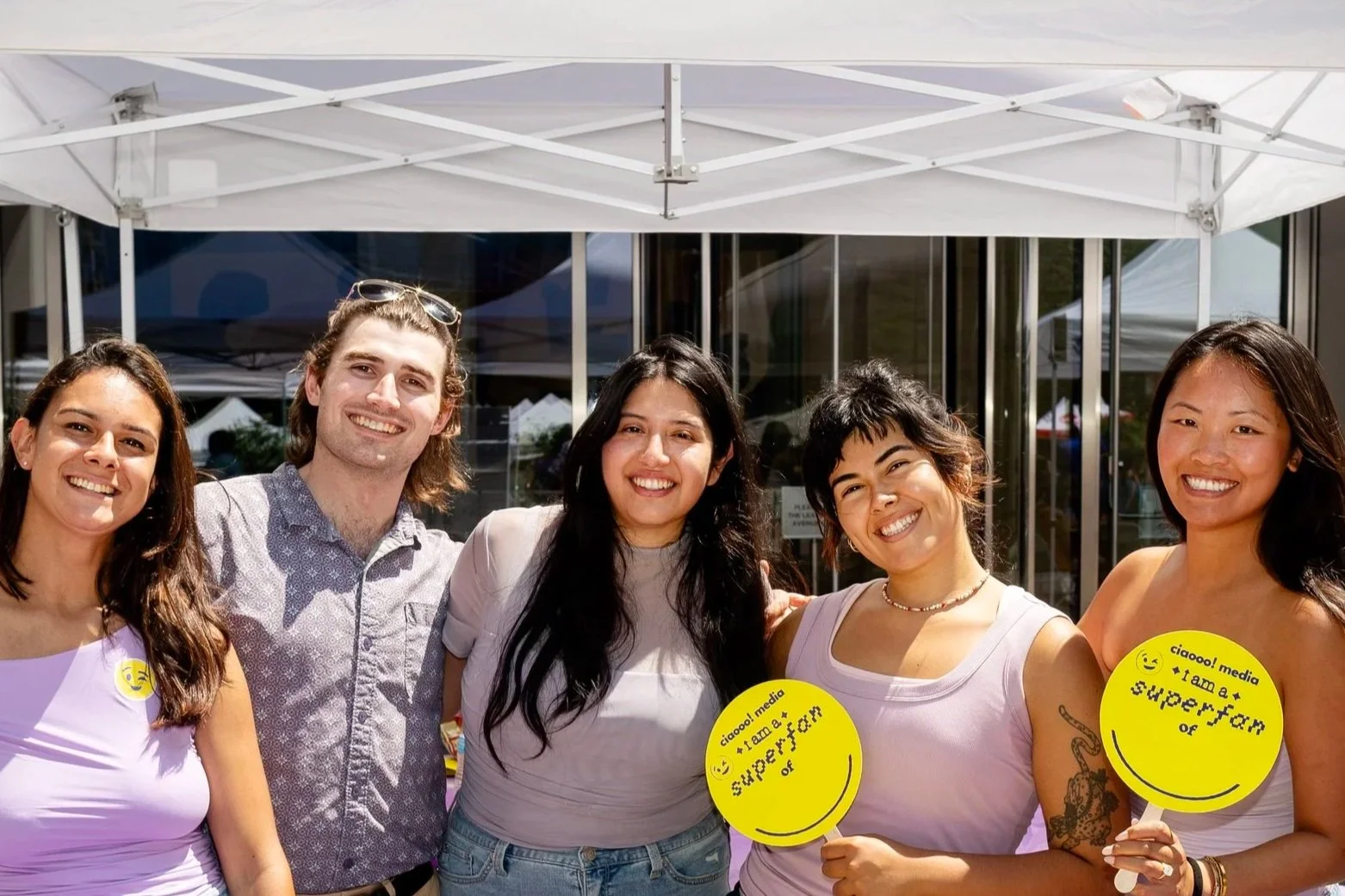
Some people came on purpose. A few had seen the booth online and stopped by just to meet the team. And behind the booth, our own crew felt it too. Friends running fans up the route. Someone editing video on the spot. Someone else picking up our pitch by ear and explaining it better than we did. We expected to be wiped out by noon. We weren't. It felt less like working a booth and more like hosting a block party with everyone we know backstage.
That night, a friend of the team spotted our fans on the subway ride home. The world we built for one day was already traveling.
What This Means for Your Brand?
If you're a Series B+ brand outgrowing your ad spend: you have product-market fit but not culture fit. An activation like this builds the cultural fluency younger audiences can feel, without reading as cringe.
If you're a DTC brand on a plateau: ads build customers, not communities. When acquisition costs climb and repeat purchases stay flat, giving people a place to belong is what brings them back.
If you're a legacy brand reaching younger audiences: you don't need a rebrand. You need a door the next generation walks through. One good question, asked in the right place, can be that door, without losing the customers who built the house.
The playbook is the same for all three:
Ask better questions. Ask your community something that can spark a positive feeling or a memory, or something that can help them identify with.
Build something that can not be ignored. Give people a visible place to belong before you ask anything of them.
Give them something to carry. Make your brand useful in their actual day.
Treat in-person as a channel. Show up where your people already are, and keep showing up.
Services Behind This Activation
Strategy — The thesis, the question, the mechanic, the location. All of it in service of one clear argument about how brand equity is actually built.
Content — 11 posts, review of analytics, shot sheet, edits & revisions, and published in real time.
Community — 300+ human interactions in one afternoon. 33 new relationships. One client RFP.
Events — A concept executed on Park Avenue. The kind of activation that makes people stop, participate, and remember how you made them feel long after the afternoon is over.
Ready to Build Something Real?
If this sounds like the conversation your brand has been trying to have — you already know where to find us.